
Engaging the immune system in AML: A new frontier in the pursuit of durable outcomes

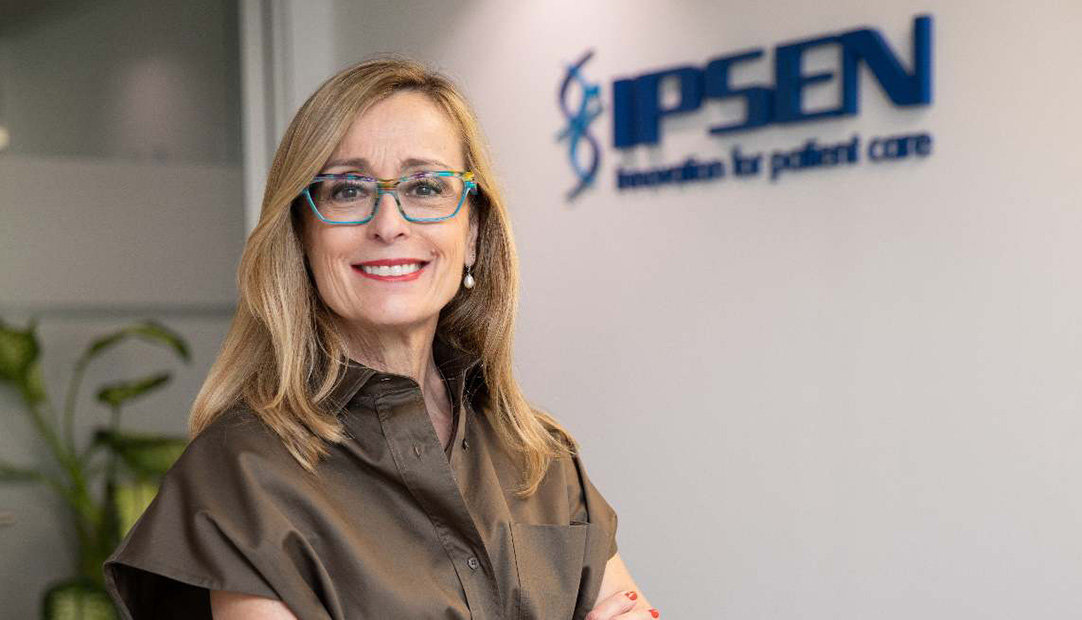
By Ivan Diaz-Padilla, Senior Vice President and Global Head, Oncology Therapeutic Area Unit, R&D
Acute myeloid leukaemia (AML) remains a difficult blood cancer to treat. Despite progress, relapse is still common and long-term disease control remains out of reach for many, especially older patients or those who cannot receive intensive chemotherapy. As we learn more about AML, we are seeing that if we want to change this, we need to think differently.
From evasion to engagement
Research is revealing a dynamic and complex AML picture, one in which the immune system plays a central role. AML is not simply a disease of cancer cells; it is shaped by a continuous interaction with the body’s immune system. This evolving understanding is shifting how we think about treatment and raises a fundamental question: could engaging and supporting the body’s own immune system open new treatment possibilities?
Using the immune system to treat cancer is not a new idea. But in AML, it has proved challenging, revealing the true extent to which AML not only hides from the immune system but actively weakens it. This has shown we cannot rely on broad immune activation alone. We need strategies that are more precise, more targeted and designed to overcome these barriers AML creates.
Emerging treatment strategies
At Ipsen, we are advancing this thinking by exploring next-generation approaches to mobilize immune responses, including selective activation of specific T cell subsets, with greater precision and control. This marks a shift towards selective immuno-modulation and with it, a more deliberate way to harness the immune system.
Combining these new immune-targeted therapies with established treatments may offer a path to improving efficacy while maintaining tolerability, and to address multiple overlapping pathways impacted by AML.
Looking ahead
The need for new approaches in AML is clear. What is also clear is that the next wave of progress will come from a deeper understanding of the disease as a system.
We believe this means embracing the complexity of immune biology and translating it into targeted, scalable innovation. We do not underestimate the challenge. Progress will require scientific rigour, collaboration and persistence. But the opportunity is real: to move beyond short-term responses and towards more durable outcomes for the patients who need it most.
How useful was this post?
Click on a star to rate it!



A bridge to the field: how real-world data informs rare disease care

Rethinking discovery: how powerful screening tools are redefining the search for new medicines
When science advances, understanding must keep pace