
Choosing the hardest problems: why Ipsen focuses where unmet need is greatest

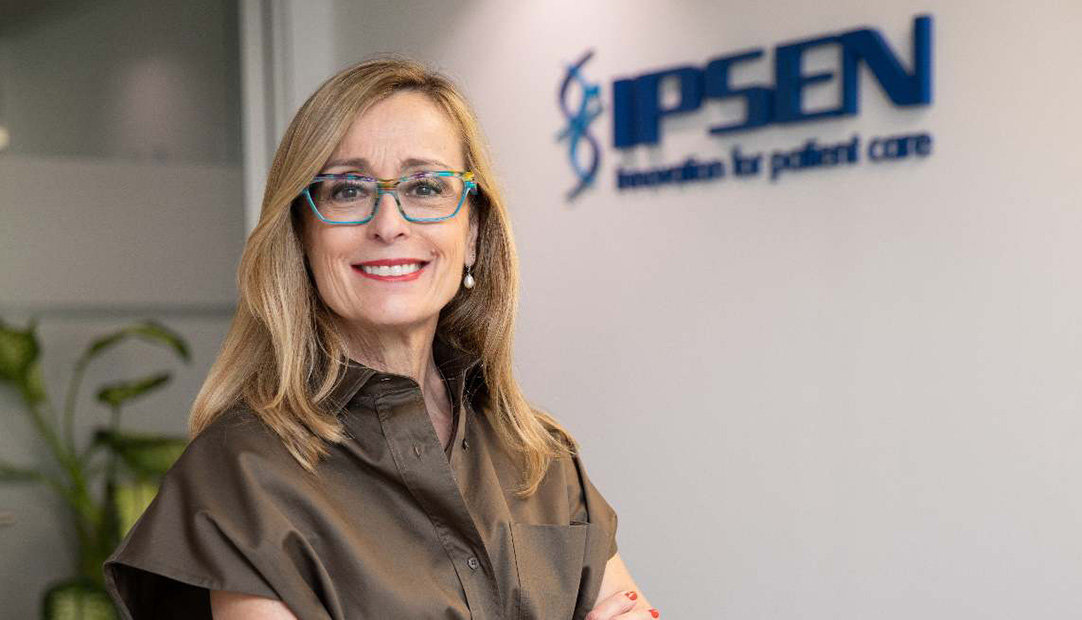
By Christelle Huguet, EVP & Head of R&D, Ipsen
In biopharmaceutical research, not all challenges are equal. Some of the most meaningful opportunities lie in areas defined by complex biology, limited evidence, and patients who have waited far too long for effective treatment options.
Why we focus where others hesitate
At Ipsen, we have made a deliberate choice to focus on these areas of highest unmet need. They demand deeper scientific insight, greater adaptability, and long-term commitment, but they also offer the greatest potential to deliver truly transformational impact for patients.
High unmet need diseases often fall outside traditional development models, requiring new ways of thinking and working. Patient populations may be small or heterogeneous. Endpoints may be harder to define. Biology may still be unfolding. Yet this is precisely where innovation can be most powerful and where progress can change lives.
Turning scientific ambition into meaningful progress
Taking on these challenges means embracing uncertainty. It pushes us to ask better questions, to work more collaboratively, and to design smarter development programs.
We build deep understanding of disease mechanisms and continuously adapt as new insights emerge. This allows us to develop programs that are both scientifically rigorous and closely aligned with patient needs. By applying this discipline, we can take thoughtful, intentional risks, prioritizing programs with first‑ or best‑in‑class potential and creating new possibilities where few existed before.
Raising expectations through impact
By focusing on the hardest problems, we seek not only to deliver new therapies, but also to help redefine how progress is measured in complex and rare populations. In doing so, we aim to raise expectations, demonstrating that rigorous, patient‑centred innovation is possible even in the most challenging settings.
Choosing the hardest problems is not the simplest path. But for patients with the greatest unmet needs, it is the path that matters most and one we are proud to take in pursuit of scientific progress.
How useful was this post?
Click on a star to rate it!


Characterizing the patient experience: The role of patient‑reported outcomes

A bridge to the field: how real-world data informs rare disease care

Rethinking discovery: how powerful screening tools are redefining the search for new medicines