The Ipsen S.A. 2026 Annual General Meeting will take place on 13 May 2026, in Paris, France at 3 pm at the Salons de l’Hôtel des Arts et Métiers, 9 bis avenue d’Iéna, 75116 Paris.
Related links

New in our A Life in Science series, we hear from Elodie Lewkowicz, Asset Lead, about how curiosity and collaboration drive her mission to tackle the complexity of cancer. She reflects on mentoring, developing the next generation of scientists, and keeping patients at the heart of every data point to stay motivated through challenges.
“You never know what will happen. No day is like the previous one. It’s really about aligning the team on science, on the strategy, and looking at the big picture, the long-term vision,” says Elodie Lewkowicz, Asset Lead at Ipsen.
Her work in oncology is driven by curiosity for how biology works at its most intricate level. “I like understanding how things work, how this complexity actually can be very simple. For instance, how a single point of mutation can change the fate of a cell and to become cancer cells.”
That drive is combined with a deep belief in teamwork. “Working in collaboration, to me, it’s essential. I don’t think that in science you can do it on your own. You need the knowledge, the expertise, but also the different way of thinking.”
For Elodie, the purpose behind the science is never abstract. “When I look at data, I see patients behind the data and that’s where I keep the motivation.”
Her vision is that curiosity, collaboration, and patient focus are what allow science to meet the challenges of cancer and bring new possibilities forward.
An article by Dr Marius Tham, Director Global Medical Affairs, Ipsen
The European Neuroendocrine Tumor Society (ENETS) 4 – 6 March 2026 conference in Kraków is one of the most important moments of the year for the global NET community. Clinicians, researchers, nurses, advocates and partners come together with a shared purpose to expand understanding of neuroendocrine tumors (NETs) and improve care for people living with them.
ENETS is unique in its ability to bring every part of the oncology ecosystem together in one space. For Ipsen, it’s an opportunity to listen, learn and contribute. It is also a reminder of the complexity of NETs, a type of cancer that can be difficult to diagnose, can progress unpredictably and requires thoughtful, multidisciplinary approaches to treatment and long‑term care. These challenges highlight why partnership across the community remains essential.
This year marks 40 years of Ipsen’s commitment to oncology: a milestone that reflects our long-standing involvement in advancing scientific knowledge and supporting patients, healthcare professionals and the wider community dedicated to oncology care. Over the years, we have built a respected reputation, shaped by collaboration, scientific exchange and a shared desire to move the field forward. We’re proud of everything we’ve achieved together however, we know there is still further to go
At ENETS 2026, Ipsen will be actively engaged in dialogue, offering scientific insights and connecting with healthcare professionals to better understand their needs. Delegates can expect meaningful conversations, practical resources and opportunities to share perspectives that help shape future initiatives. These exchanges provide a valuable foundation for improving care long after the congress concludes and allow us to reflect on past progress while accelerating the collective work that lies ahead.
As we prepare to join colleagues and partners, we do so with excitement, purpose and optimism. We look forward to the conversations, the insights and the collaborations that will define ENETS 2026, and to continuing our shared mission to advance the science of NETs together.
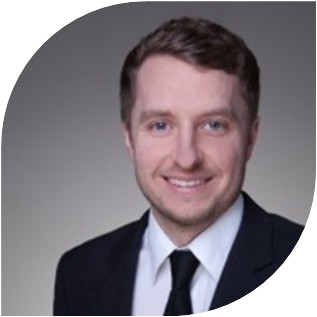
By Christelle Huguet, EVP & Head of R&D, Ipsen
Every year, new breakthroughs reveal possibilities for treating conditions once thought untreatable. But possibility alone is not enough. The true challenge lies in identifying compelling scientific opportunities early—and shaping them deliberately so they can one day make a meaningful impact for patients. At Ipsen, we recognize the potential of early science; where bold ideas thrive and where there is the greatest risk but also the potential to change patients’ lives.
Why Ipsen pursues the promise of early science
Compelling science rarely sits in easy or predictable places, especially in our areas of focus where innovation is scarce and unmet needs remain high. It exists in the unknown frontiers of rare diseases, in the ever-evolving tumor biology and the intricate complexity of neurological diseases. These areas demand not only bold thinking but rigorous, focused scientific commitment to pursue biology at its most challenging and cutting edge. Harnessing our strength of expertise, we interrogate mechanisms, making informed, data-led choices to accelerate programs which have the highest probability of transforming patient care.
Uniting expertise from the beginning
Throughout my career, I have learned that scientific breakthroughs in the lab rarely happen in isolation. They emerge when people with different strengths—biologists, chemists, data scientists, clinicians—interact every day. The principle is the same when translating that breakthrough into the clinic. Each step benefits from the insights of colleagues who understand the downstream implications. This integrated approach is at the heart of Ipsen’s strategy—being deliberate and focused on the science we choose to pursue and ensuring that every piece of expertise needed to turn innovation into patient impact is engaged early.
Ipsen’s commitment to early science reflects our belief that tomorrow’s breakthroughs rely on the choices we make today. By investing in the strength of early science, Ipsen positions itself to capture transformative innovation at the moment of possibility—long before it becomes clear or widely pursued. A position where we can make the most difference to patients’ lives.
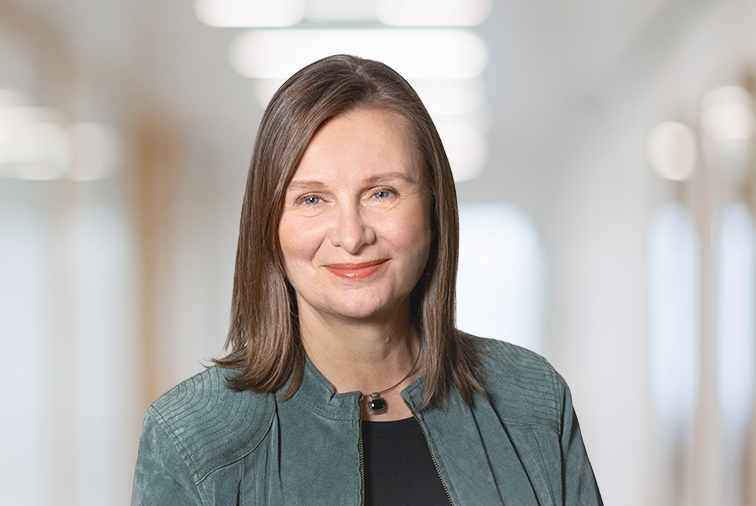
By Josep Catlla, EVP, Corporate Affairs Officer, Ipsen
Every year, Rare Disease Day reminds us that rare conditions impact far more lives than many realize -over 300 million people globally, across more than 10,000 identified rare diseases. Yet what strikes me most on this day of recognition and reflection is that listening to patients remains an under-utilized lever for achieving progress in healthcare.
Listening to patients isn’t just a “nice to have.” It is one of the most powerful levers to improve research, development, regulation, access, and lifelong care. When we integrate patient insights early, we de-risk science, design better trials, and accelerate access to meaningful treatments. ‑risk science, design better trials, and accelerate access to meaningful treatments.
We see this every day. Maria, whose son was diagnosed late with biliary atresia, told us: “If I’d had more information and a quicker diagnosis, we may have avoided a transplant.” Wendy, living with PBC, shared: “I just want to be listened to. PBC affects many aspects of life, not only liver tests.”
Their experiences reflect a broader reality: delayed diagnosis, inconsistent care, and symptoms that are often dismissed. Behind each statistic is someone hoping for an ordinary life—sleep, school, work, dignity, stability.
Listening means understanding the whole person, not just their biology. Rare diseases disrupt education, employment, mental health, and family life. Economic analyses consistently show that the greatest burden is carried by families—through lost income, caregiving, and out-of-pocket costs. Listening, therefore, is not courtesy. It is a strategy for equity and societal resilience.
Across the medicine and care lifecycle, we can transform listening into meaningful outcomes through a structured, end-to-end approach beginning with partnering with patients in order to build meaningful endpoints into clinical trials; align early with regulators and HTA bodies; patient insights into routine care; measure outcomes that matter: work, learning, mental wellbeing, caregiver burden.
At Ipsen, we are committed to integrating the patient’s voice from discovery through lifelong care. But this is a shared responsibility across the entire ecosystem. So, if we truly want to help people living with rare diseases achieve more than you can imagine, the Rare Disease Day annual theme, listening to patients cannot be a value-based aspiration. It must be regular practice across discovery, research and development, clinical, regulatory, health technology assessments, access, and lifelong care. Only by listening more than we talk, can we help people living with rare diseases achieve more than they ever imagined, and more than the system has historically enabled.
Written by: Christelle Huguet, Executive Vice President, Head of R&D
Today marks an important moment for children and families affected by one of the most challenging rare childhood brain tumors: pediatric low‑grade glioma (pLGG).
Each year, hundreds of children across Europe are diagnosed with pLGG. For many, the journey involves invasive surgeries, years of intensive chemotherapy and the lifelong impact of potential vision, speech and neurological complications. With no global standard of care, families are often left facing uncertainty, complexity and incredibly difficult choices often over many years.
That’s why today’s news is so significant. Ipsen has received a positive CHMP opinion for a medicine that, if approved, could become the first and only targeted treatment in Europe for children with relapsed or refractory BRAF altered pLGG. It has the potential to transform how we support children living with this relentless disease and to broaden the treatment options available to doctors as they manage this challenging condition.
This progress reflects the dedication of so many scientists advancing rare oncology innovation, physicians, trial participants and partners bringing expertise to the clinic, children living with pLGG, their loved ones and patient advocates giving voice to families’ needs, and our teams across Ipsen whose passion and persistence make breakthroughs like this possible.
I’m humbled and grateful for the commitment that underpins this milestone.
The European Commission will now review the CHMP recommendation, with a final decision expected in the coming months.
Moments like this remind us why this work matters. Because children and their families deserve better options. And, because innovation in pediatric oncology can’t wait.
In an era where breakthrough science increasingly depends on deep, cross sector collaboration, the longstanding partnership between Ipsen and the teams at the Institute for Research in Immunology and Cancer (IRIC) and its commercialization unit, IRICoR, at Université de Montréal stands out as a model for how academia and industry can accelerate science with purpose. First initiated in 2020 and extended twice, the partnership is now collaborating on four active oncology research programs. Pierre Beaulieu, Associate Director, Drug Discovery Unit at IRIC, Hugo Lavoie Associate Director of the Intracellular Signalling Research Unit at IRIC and Chris Hupp, Senior Director, Research & External Innovation at Ipsen explain how this collaboration has evolved from a promising research alliance into a formidable engine to deliver transformative therapies for patients.
Science accelerated through complementary expertise
What makes the IRIC–Université de Montréal environment uniquely compelling Pierre explains is its “cutting-edge research expertise with the ability to address every stage of drug discovery”, a quality Chris adds Ipsen recognized with a “continued ability to deliver high-quality development candidates, with the potential to consistently generate meaningful innovation”. As early science progresses, there comes a time where broadening this expertise is critical to translating a scientific concept to a medicine. This is where partnering has enriched and accelerated this process, adding Ipsen’s expertise in translational research, clinical development, manufacturing and commercialization, “creating a powerful bridge from discovery to impact” Hugo explains. With four active R&D programs, including one progressed to Phase I trials, the collaboration is applying this full spectrum of expertise to unlock the potential of MAPK‑targeted innovation for patients.
Targeting the Hardest Problems in Oncology
The partnership’s focus is anchored in a bold shared vision Chris explains, “where everyone involved is deeply committed to delivering transformative therapies for patients with high unmet needs”, working to unlock new approaches to targeting the MAPK pathway—altered in roughly 40% of human tumors.[i] As Hugo emphasises, this is a space where progress has been made, but where “much remains to be done.” Toxicities, relapse rates, and the limitations of existing molecules make it imperative to develop differentiated therapies with new modes of action and smarter combinations.[ii]
The Power of Long‑Term Partnership
For both Ipsen and IRIC, longevity has been essential. Innovative science rarely moves in a straight line. It requires persistence, shared conviction, and collective willingness to navigate ambiguity. As Pierre puts it, “a long-term partnership can only result from a strong belief in the science from both partners and a motivation to achieve first-in-class discoveries.”
This continuity has also allowed the teams to partner in ways that elevate the science itself. Hugo highlights the “invaluable multidisciplinary synergy where both sides challenge and inspire each other”. What began as a traditional collaboration has matured into something richer — a shared language, shared decision-making, and shared pride in what they are building defined by an “impressive level of trust, confidence, support and friendship.”
Chris echoed this sentiment, highlighting the unique environment built “where open dialogue and mutual respect allow science and innovation to thrive.” Hugo explains this has “allowed our teams to expand into new areas of pharmaceutical and translational research” far beyond what a traditional academic environment could offer.
Looking Ahead: A Shared Vision for Transformative Impact
The partnership between Ipsen and IRICoR is more than a collaboration—it is a blueprint for how breakthrough therapies can be accelerated into the clinic when academia and industry bring out the best in each other. It shows that when teams align on purpose, commit long-term, and create a culture where science and people can thrive, innovation becomes not just possible, but inevitable.
[i] Sanchez-Vega et al. Oncogenic Signaling Pathways in The Cancer Genome Atlas. Cell. 2018 Apr 5;173(2):321–337.e10. doi: 10.1016/j.cell.2018.03.035
[ii] Hanrahan et al. BRAF, a tumor-agnostic drug target with lineage-specific dependencies. Nat Rev Clin Oncol. 2024 Jan 26;21(3):224–247. doi: 10.1038/s41571-023-00852-0
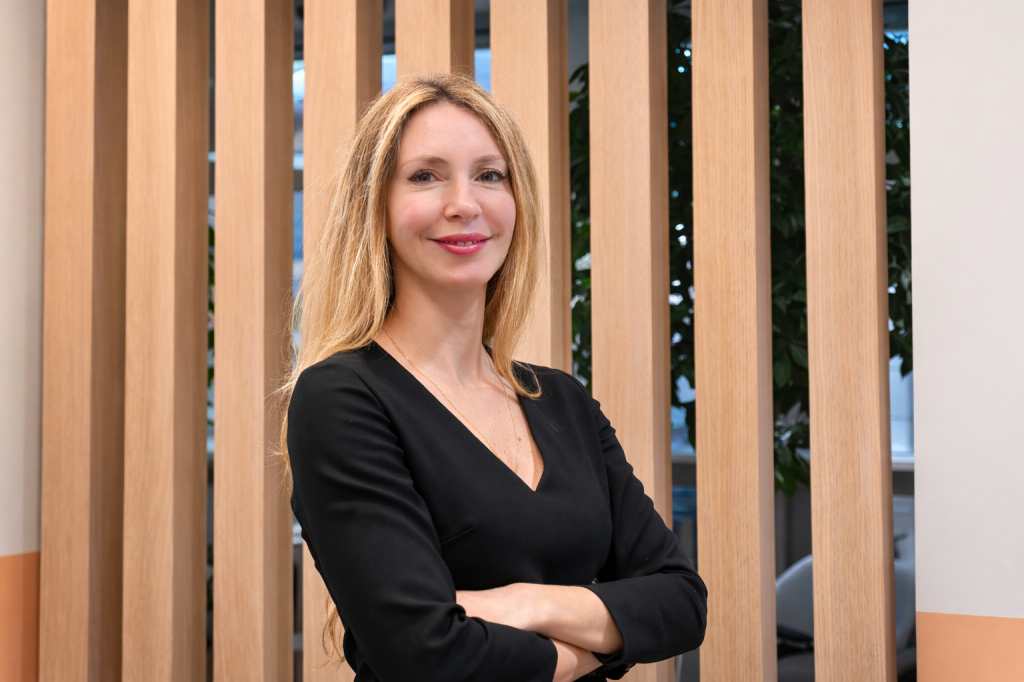
Vanessa Barue, Senior Medical Director, Medical Asset Lead, Global Medical Affairs Oncology
As the global GU oncology community prepares to gather in San Francisco for the American Society of Clinical Oncology Genitourinary Cancers Symposium (ASCO GU), colleagues from across Ipsen are energized by the opportunity to connect, learn, and contribute. ASCO GU is an important moment in the global medical congress calendar, bringing forward the latest developments in renal cell carcinoma (RCC) and the wider GU landscape.
RCC continues to represent a significant area of unmet need. The ASCO GU meeting convenes clinicians, researchers, medical leaders, and industry partners to exchange emerging evidence and scientific insights that can help shape the future of patient care. For Ipsen, it is an opportunity to reaffirm our commitment to improving outcomes for people living with GU cancers and to stay closely connected to new thinking and evolving trends across the field.
Scientific exchange remains central to progress. Throughout the meeting, our teams look forward to discussions on real‑world evidence, combination approaches, and the ongoing importance of patient‑centered innovation. These conversations drive forward the next wave of research, deepen understanding, and support best practice in GU oncology.
Partnership and collaboration underpin everything we do. ASCO GU offers a unique forum to strengthen relationships with clinicians, investigators, academic partners, advocacy groups, and peers across the oncology ecosystem. It is a valuable moment to listen, learn, and explore how shared ambition can translate into meaningful impact for patients.
We welcome questions about who we are, our science, and the value we aim to bring to the global oncology community.
If you are attending ASCO GU 2026, we look forward to connecting in person. Let’s continue the dialogue, exchange perspectives, and work together to advance care for people living with GU cancers.
See you in San Francisco!
Rare diseases are more common than most people imagine, in how many lives they touch and in how profoundly they shape everyday life for patients and families. Behind every diagnosis is a person navigating far more than symptoms: daily routines transformed, ambitions redefined, misunderstanding and isolation to navigate and families adapting to uncertainty with resilience and hope.
True awareness begins with listening. At Ipsen, that means listening not only to patient needs to define clinical outcomes, but to the stories that define people’s days—their fears, frustrations, joys, and aspirations. These real‑world insights reveal what it truly means to live with a rare disease, not just to be treated for one.
Centering Innovation on the Patient Experience
When we listen deeply, we can imagine better futures, futures shaped by what patients tell us they want to do, feel, and hope for. This imagination is not abstract. It is grounded in the lived experience of individuals and families who share openly so that treatment and care can improve.
These insights guide our work across the entire medicine lifecycle, from research and development to medical strategy, education, and access. Responsible, patient‑focused innovation begins with understanding the whole journey.
How Ipsen Builds Awareness Through Listening
At Ipsen, awareness is an active process, one rooted in rigorous, structured listening. We integrate patient perspectives through:
- Patient journey mapping, capturing the lived experience from diagnosis to long-term management
- Evidence generation, exploring where needs remain unmet
- Advocacy engagements, collaborating with global patient organisations
- Co-created resources, designed with and for patients, families and caregivers
We also share what we learn in our own awareness activities, ensuring that the voices of patients reach wider audiences. This is why Rare Disease Day is a central moment in the Ipsen calendar: it allows us to stand alongside the global rare disease community to raise understanding and amplify impact.
Fondation Ipsen: Expanding Understanding Through Science and Society
Fondation Ipsen is a non-profit foundation, operating under the aegis of the Fondation de France, and dedicated to raising awareness and improving the lives of people living with rare diseases. The Foundation helps the wider public better understand these conditions by promoting education, sharing knowledge, and fostering dialogue between science, medicine, and society.
Through global initiatives, publications and partnerships, the Foundation brings visibility to topics that are often unseen or misunderstood, ensuring that the real experiences of rare disease communities are recognised.
Progress Requires a Shared Commitment
Rare Disease Day is a powerful reminder that progress does not happen in isolation. It depends on collaboration between patients and families, advocacy groups, healthcare professionals, researchers and scientists, policymakers, the pharmaceutical industry.
By listening and acting together, we can help people living with rare diseases achieve more than any one organisation—or any one imagination—could achieve alone.
Imagining More, Together
In 2026, we reaffirm our commitment to the rare disease community: to listen, to learn and to act. The stories patients share with us guide our work and strengthen our resolve. When we unite around their voices, we can build a future where people living with rare diseases can achieve more than they ever imagined.
True awareness begins with listening
For RareDiseaseDay, Josep Catllà, Corporate Affairs Officer, Ipsen, reflects on how listening to patients remains an under-utilized lever for achieving progress in healthcare.
New in our A Life in Science series, we hear from Florence Meyer-Losic, Vice President and Head of Translational Sciences, about her journey from veterinary medicine to human research. She highlights the importance of adaptability, continuous learning, and diverse expertise in building successful teams that deliver innovative treatments for patients.
“One talent that is very important in science is the ability to learn every day, because science is evolving a lot,” says Florence Meyer-Losic, Vice President and Head of Translational Sciences at Ipsen. “In veterinary medicine you have to learn everything about different species, different systems. It’s really adapting to every situation. That’s exactly what I do in my day-to-day job.”
Florence first studied veterinary medicine before shifting into human health. “What I liked was really the science. And, as everybody, I had some family members that had cancer. So I thought it would be more impactful if I can bring my expertise in science to human medicine. And that’s how I shifted to research and pharmaceutical industry.”
Her current role involves managing a team responsible for data that moves programs forward. She sees diversity of thought as critical. “I am a kind of generalist because as a vet, I know the body as a whole. But I have colleagues who have a very focused area of expertise, and they come with the deep understanding of the mechanisms, the different systems that are impacted by a specific disease. Bringing those different angles and viewpoints really helps bring together a whole team and bring success to the project.”
For Florence, adaptability and diverse expertise are what make science effective—and what ensure discoveries translate into medicines that can change lives.