Explore more by category
Filter
Period
Filter by
recent search
Showing: 1 – 5 of 245 stories
12 October 2026 – 2 mins read
Characterizing the patient experience: The role of patient‑reported outcomes
Biological endpoints are essential, but on their own, they cannot tell the full story. To truly understand the value of a treatment and care surrounding it, we must also seek to understand how patients and carers experience it. This is where patient-reported outcomes (PROs) and observer‑reported outcomes (reflecting the perspectives of non-clinical caregivers) are becoming more prominent in clinical research.

07 October 2026 – 2 mins read
A bridge to the field: how real-world data informs rare disease care
As a Field Medical Advisor in Rare Disease, Antonios Letis works at the intersection of data, physicians, and patients. His focus includes cholestatic conditions such as PBC — areas where innovation has shifted what is possible.

05 October 2026 – 2 mins read
Rethinking discovery: how powerful screening tools are redefining the search for new medicines
In medicine discovery, identifying the right biological target has always been a critical and complex step. Today, the rise of powerful screening tools is fundamentally reshaping this process, creating a step-change in how we move from scientific hypotheses to transformative medicines.

01 October 2026 – 4 mins read
Adult PFIC: Why Some People Spend Years Searching for Answers
PFIC is a group of rare inherited liver conditions that affects the body’s ability to transport and circulate bile, which is essential for digesting and absorbing fats, as well as removing waste products. When bile builds up in the liver , it can damage the liver and cause symptoms such as itching.
01 October 2026 – 2 mins read
When science advances, understanding must keep pace
We are living in an era of extraordinary scientific progress. We can target diseases in ways that were unimaginable a generation ago, develop increasingly sophisticated medicines and explore entirely new approaches to treatment.
29 September 2026 – 3 mins read
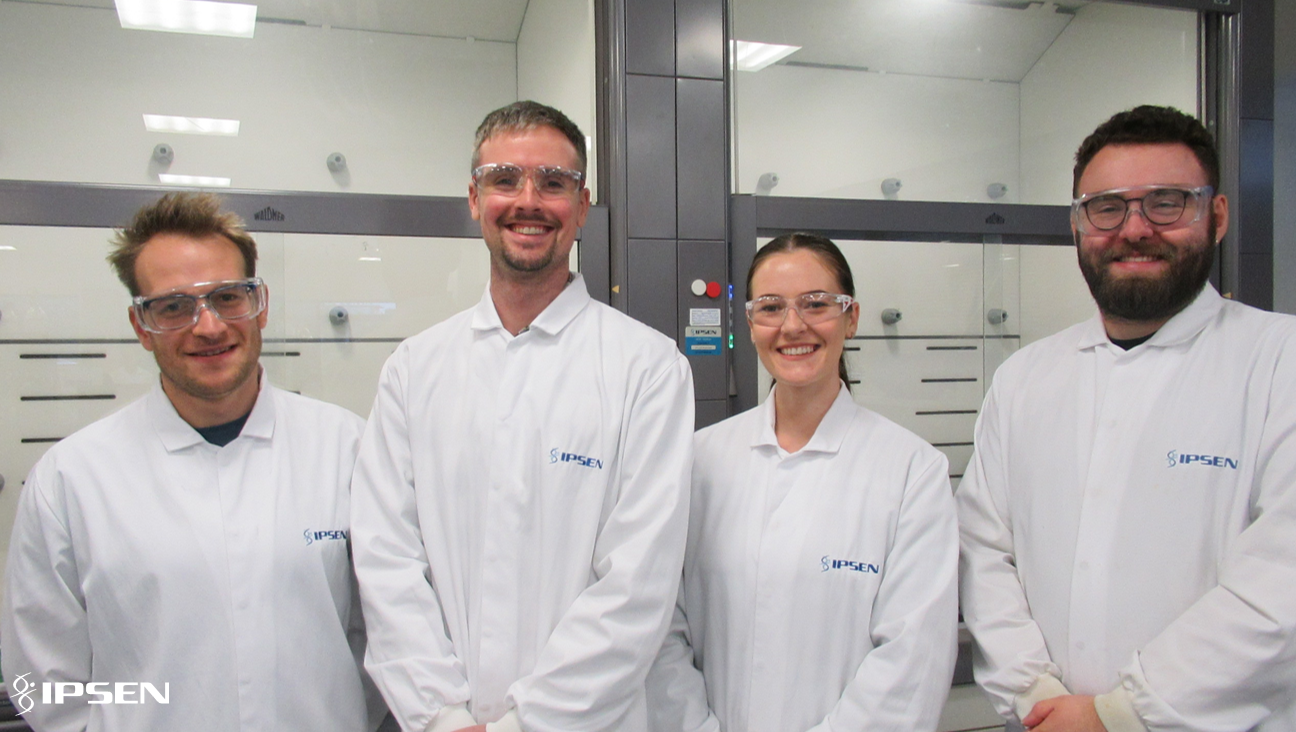
Building more sustainable laboratories with My Green Lab
Science is at the heart of everything we do. It also comes with an environmental footprint, from the energy and water used in laboratories to the chemicals, equipment and materials required to advance our work.

28 September 2026 – 1 mins read
This is Ipsen
Nobody arrives at work as just an employee. Behind every scientist, every assistant, every account manager, there’s always someone else. A patient. A caregiver. A parent. A child. And that changes everything.

22 September 2026 – 1 mins read
Building on Success: Ipsen Receives Two New Gold Brandon Hall Awards
Ipsen’s commitment to developing strong capabilities across its teams has been recognized with two Gold Awards at the 2026 Brandon Hall Excellence Awards, one of the leading international programs recognizing achievements in learning and talent development.

10 September 2026 – 2 mins read
Why evidence matters: Seema Meloni on making data meaningful
“In order to help all partners understand the value of a medicine, we provide the wrap-around support of data coming out of clinical trials.”

05 September 2026 – 2 mins read
The Extra Year That Made All the Difference
After 25 years working in oncology, Jon Travers understood the impact cancer can have on patients and their families. Throughout his career, he had been driven by the possibility of helping bring new treatments to the people who need them most.

19 August 2026 – 2 mins read
The Challenges Behind Caregiving
For Elise, illness has always been something very real and personal. Although she does not work directly with patients, she understands what it means to support a loved one through illness. It is an experience that showed her how quickly a diagnosis can impact daily life and reshape family routines.
05 August 2026 – 2 mins read
From molecule to medicine: the process behind patient-ready treatments
As a CMC lead focused on new asset development, Ian Fox works at the intersection of research and application—taking promising molecules and turning them into real-world treatments. He explains his work as “a kind of bridge between early research identification of a target area and making the end product a sustainable, controlled, safe, quality product that can meet a patient’s needs.”

30 July 2026 – 1 mins read
Excellent growth and progress in H1 2026
Total sales grew by 23.5% at constant exchange rates, driven by double-digit sales growth in all three therapeutic areas: +15.6% in Oncology, +108.0% in Rare Disease and +16.6% in Neuroscience.

27 July 2026 – 2 mins read
Finding Light Again: Rajminder’s Malhi Journey
For Rajminder, the past five years have been marked by challenges that affected every aspect of her life. As a mother and a wife, she struggled to fully participate in the moments that mattered most, while navigating a condition that proved difficult to treat.

21 July 2026 – 2 mins read
When bile acids tell a bigger story: how cholestatic biology is reshaping rare liver disease research
Over the years, I’ve seen firsthand how crushing fatigue and relentless itching can define daily life for so many people living with rare cholestatic liver diseases. It disrupts sleep, work and family life – all visible signs of a body struggling to maintain biological balance. These symptoms come from cholestasis, where bile flow from the liver is impaired, leading to a toxic accumulation of bile acids, heightening the severity of symptoms and driving progressive liver damage. But despite advances in our understanding, treatment options remain limited.

16 July 2026 – 2 mins read
Testing the hypothesis: a focused pilot for AI in healthcare
Every scientific breakthrough begins with a question: can this medicine extend life, restore balance, or meaningfully change what is possible for patients? At Ipsen, we are bringing that same discipline to artificial intelligence, asking whether it can help our teams analyse data in new ways, reduce rework and make better, faster decisions in pursuit of science with purpose.
08 July 2026 – 2 mins read
Always one step ahead: Anne Petit on making medicines happen
Anne Petit does not wait for instructions. She knows that in pharmaceutical development, her team often moves first. “We always need to anticipate the next development phases of a clinical program,” she says. “We need to manufacture the product. It takes time.”

26 June 2026 – 0 mins read
From data to decisions: how Ipsen turns medical data into action for patients
At Ipsen, medical insights are not an end in themselves. They help us better understand the reality experienced by patients, healthcare professionals and health systems so we can make better decisions across our organization.
25 June 2026 – 0 mins read
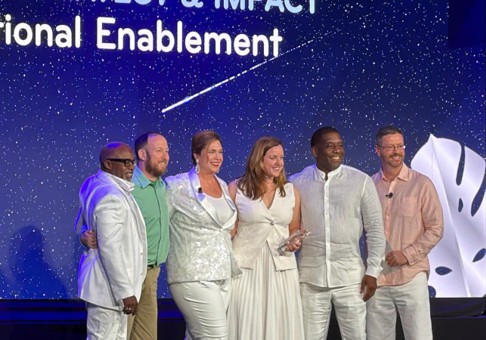
Ipsen recognized at LTEN Excellence Awards 2026 for transforming field leadership through coaching
Ipsen has been recognized with a 2026 LTEN Excellence Award in the “Transformational Enablement” category, celebrating its innovative program“First-line Sales Managers coaching to drive scalable impact.”

23 June 2026 – 1 mins read
Strengthening partnerships with patient organizations: insights and opportunities for progress
As part of our commitment to communities, Ipsen has completed the global bi-annual survey to better understand how patient organizations experience collaboration with the company, and to identify opportunities to further strengthen these partnerships.

19 June 2026 – 2 mins read
Balancing benefit and risk: Nisha Vora on the science of pharmacovigilance
As Safety Science Director, she works across both early development and post-marketing, ensuring that risks are anticipated, analyzed, and managed so treatments can reach patients responsibly.

18 June 2026 – 4 mins read
Advancing Care in Renal Cell Carcinoma: Earlier Treatment, Better Outcomes, and Stronger Support for Patients
Renal cell carcinoma (RCC) has seen remarkable scientific progress over the past decade. Advances in immunotherapy, targeted agents, and combination strategies have reshaped the treatment landscape and transformed outcomes for many patients. Yet for people living with the most common form of kidney cancer, clinical progress alone does not tell the whole story.

15 June 2026 – 1 mins read
When One Testimony Changes Everything: Mariam Soukouna on Purpose Beyond the Job Title
Mariam Soukouna didn’t expect to be moved. She was attending an internal finance and procurement seminar the kind of event focused on strategy, performance, and operational priorities. But that day, the team welcomed a guest who had nothing to do with any of that: the mother of a child living with a rare disease.

15 June 2026 – 2 mins read
PFIC Colors: Making Sense of PFIC with the PFIC Network
Progressive Familial Intrahepatic Cholestasis (PFIC) can be a complex condition. Finding trusted information about PFIC shouldn’t be. PFIC Colors is designed to help families make sense of these conditions and find the information and support they need, fast.

12 June 2026 – 2 mins read
Engaging the immune system in AML: A new frontier in the pursuit of durable outcomes
Acute myeloid leukaemia (AML) remains a difficult blood cancer to treat. Despite progress, relapse is still common and long-term disease control remains out of reach for many, especially older patients or those who cannot receive intensive chemotherapy. As we learn more about AML, we are seeing that if we want to change this, we need to think differently.

08 June 2026 – 2 mins read
Biopharma deals thrive on creativity, from structure through to execution
A decade ago, medicine development looked very different. Today, some of the most exciting science is coming from small, focused teams moving at speed – teams working under real operational constraints, with little room for anything that slows them down.

05 June 2026 – 2 mins read
World Environment Day: Acting where it matters most
For a company like Ipsen, environmental impact doesn’t stop at the boundaries of its operations. In fact, that’s only a small part of the picture.

03 June 2026 – 2 mins read
Choosing the hardest problems: why Ipsen focuses where unmet need is greatest
In biopharmaceutical research, not all challenges are equal. Some of the most meaningful opportunities lie in areas defined by complex biology, limited evidence, and patients who have waited far too long for effective treatment options.

28 May 2026 – 3 mins read
Why post approval evidence is redefining the future of patient care
In today’s rapidly evolving treatment landscape the approval of a medicine is no longer the finish line; it’s just the beginning. Real world evidence (RWE), post-hoc analyses and structured Phase IV studies all offer new opportunities for scientific learning. At Ipsen, we’re committed to pursuing the unanswered questions, generating robust evidence that goes beyond medicine development, which provides broader long-term evidence-based perspectives for the communities we serve.

26 May 2026 – 2 mins read
"I Really Witnessed It First Hand": How Personal Experience Shapes Loubna Ouriaghli's Work
A diagnosis is supposed to be the end of the uncertainty. For some families, it is also the moment they realize there is nothing more medicine can offer. Loubna Ouriaghli, Head of Government Affairs & Policy at Ipsen, witnessed that moment with her own mother who was diagnosed with a rare disease. She saw the symptoms appear one by one, the years it took to finally have an answer and the silence that followed when that answer came with no treatment.

21 May 2026 – 0 mins read
Driving Progress in Rare Liver Disease: Ipsen at EASL Congress 2026
We’re excited to be at the European Association for the Study of the Liver (EASL) Congress 2026, Europe’s largest event dedicated to liver health where doctors, scientists, allied health professionals, patients, and industry partners come together to share knowledge, highlight scientific breakthroughs, and build meaningful connections.

19 May 2026 – 2 mins read
A moment worth remembering: what SCALE tells us about the future of aesthetics
There are moments that stay with you. Not because of a single slide or headline, but because you can feel something changing. Expectations shift. Standards rise. A new chapter begins.

19 May 2026 – 1 mins read
Driven by patients, delivering on our strategy: 2025 Integrated Annual Report now available
Ipsen’s 2025 Integrated Annual report report is now available on Ipsen.com. This essential reference document brings together key information and insights into the major developments in 2025 and what lies ahead.

15 May 2026 – 1 mins read
Right medicine, right person: Jacintha Sivarajah on science with purpose
“All medicines have side effects, but it’s just about trying to minimize the impact through providing the information patients and clinicians need or finding other ways to mitigate that impact.” — Jacintha Sivarajah

14 May 2026 – 2 mins read
Aesthetics, built from science
Ipsen is not new to aesthetics. For more than three decades, we have been advancing neuroscience innovations across therapeutic and aesthetic indications, building deep expertise in complex biologics, rigorous clinical development and high‑quality manufacturing.
23 April 2026 – 1 mins read
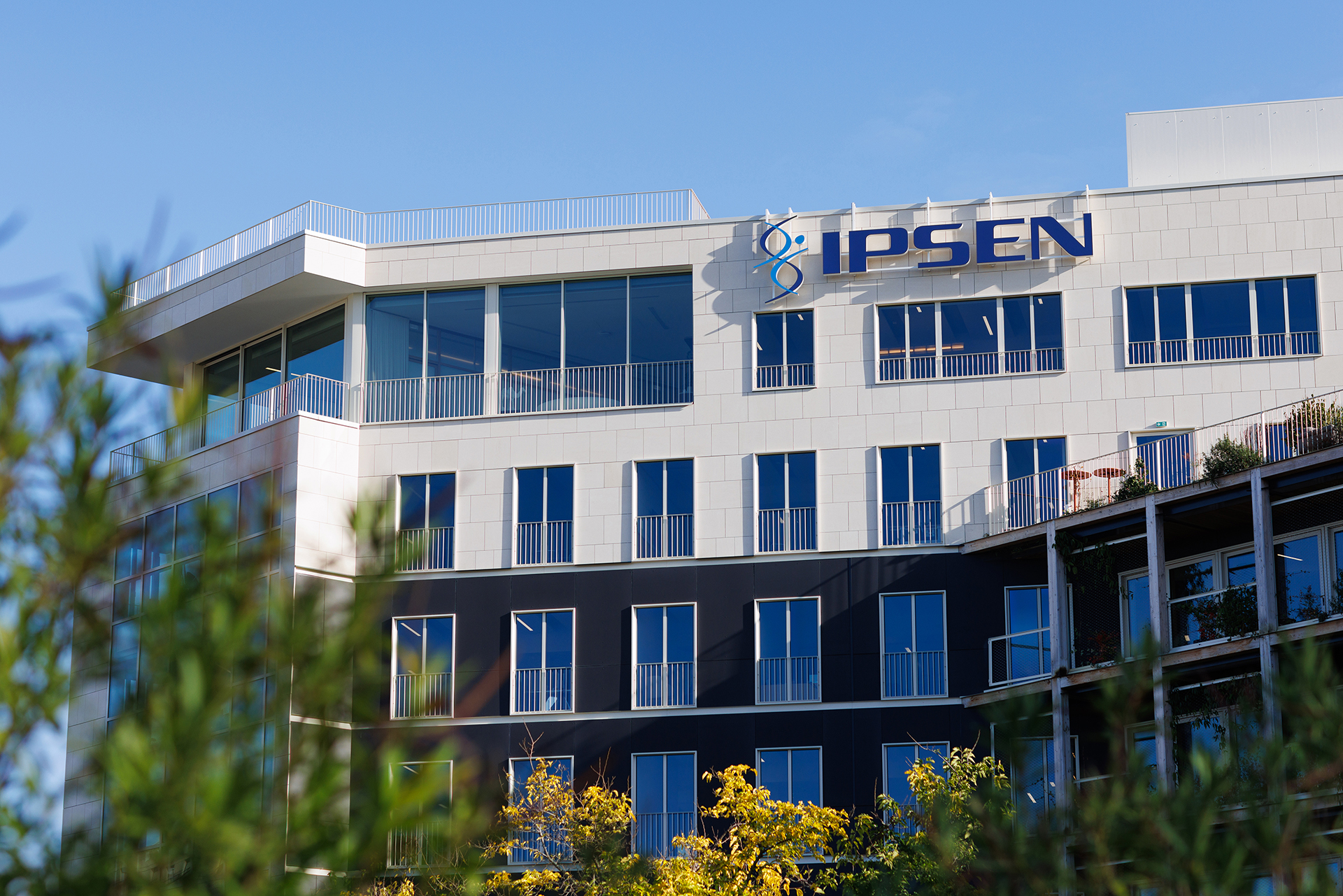
Strong Q1 2026 sales growth, marking a solid start to the year
Ipsen reports 22.6% sales growth at constant exchange rates in Q1 2026, reflecting balanced growth across Oncology, Rare Disease, and Neuroscience.

22 April 2026 – 2 mins read
A New Chapter for Children with pLGG
For the hundreds of children diagnosed with pediatric low-grade glioma (pLGG) across Europe each year, the journey is rarely what families expect. It is often long, complex, and life-altering. However today, we’re excited that the treatment landscape has progressed.
15 April 2026 – 2 mins read
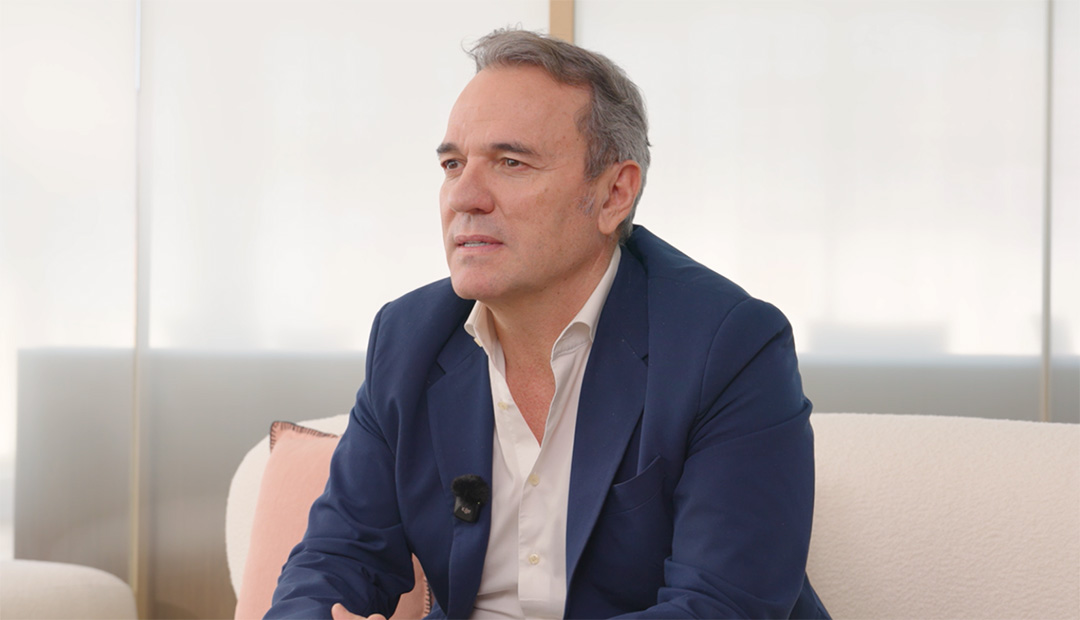
Guillermo’s Story: Lessons from Patients’ Lives
In the pharmaceutical industry, it’s easy to focus on data, strategy, and performance metrics. But behind every decision are real people. For Guillermo Castillo Acero, Head of European Mid-Sized Markets at Ipsen, that reality became clear during a precise moment in his career.

13 April 2026 – 2 mins read
The role of biomarkers: how new modalities are making precision medicine a reality
For too long, modern medicine has treated diseases as if they were uniform, defined by a label rather than by their underlying biology. Today, we have an unprecedented ability to interrogate the molecular drivers that shape each person’s cancer, and in doing so, we’re transforming how we diagnose, develop and deliver the medicines that matter most.

04 April 2026 – 2 mins read
Strategic Focus: Alexis Cocozaki on the pathway to early discovery at Ipsen
At the heart of Ipsen’s early discovery efforts is a question of fit—how a molecule interacts with a disease-relevant protein, and what that means for therapeutic potential. Alexis Cocozaki’s team focuses on that exact space, applying biophysical and structural biology techniques to evaluate and optimize new assets at the atomic level.

01 April 2026 – 1 mins read
Our 2025 Sustainability Statement is Live: Here's What It Means for Ipsen
We are pleased to announce that Ipsen’s 2025 Sustainability Statement – our annual publication outlining Ipsen’s environmental, social and governance (ESG) commitments, progress and priorities – is now available on our website, reflecting our commitment to maximize positive change for future generations.

27 March 2026 – 2 mins read
Shaping the next evolution of immuno-oncology
Working in early development, I have the privilege to see the next generation of therapeutic science take shape – and few areas are more compelling than immuno-oncology (I-O). From first data points in the lab to breakthroughs in the clinic, it is clear that we are entering a new era with the potential to deliver transformative outcomes for patients.

19 March 2026 – 2 mins read
Purpose‑driven partnering: choosing programs where our approach makes the greatest impact
Late-stage partnering is unforgiving — high-stakes, capital-intensive, and fiercely competitive. The cost of a poor partnership isn’t just financial; it’s the lost opportunity to advance a program that could have changed patient outcomes but didn’t get the right partner at the right moment.

18 March 2026 – 2 mins read
When Work Takes on a Whole New Meaning: Emilie Manier’s Ipsen Moment
For many people at Ipsen, the impact of their work becomes clear through patient stories, scientific breakthroughs, or moments shared with colleagues. For Emilie Manier, Senior Executive Assistant, that realization came in a much more unexpected situation: a dinner with friends.

16 March 2026 – 2 mins read
A Life in Science: The role of data in advancing medicines
New in our A Life in Science series, we hear from Audrey Clapéron, Translational Biology Director, about the essential role of data in driving discovery forward. She shares how leading a team of pharmacologists and delivering high-quality evidence for clinical development keeps her motivated and close to the patients who may one day benefit.
13 March 2026 – 2 mins read
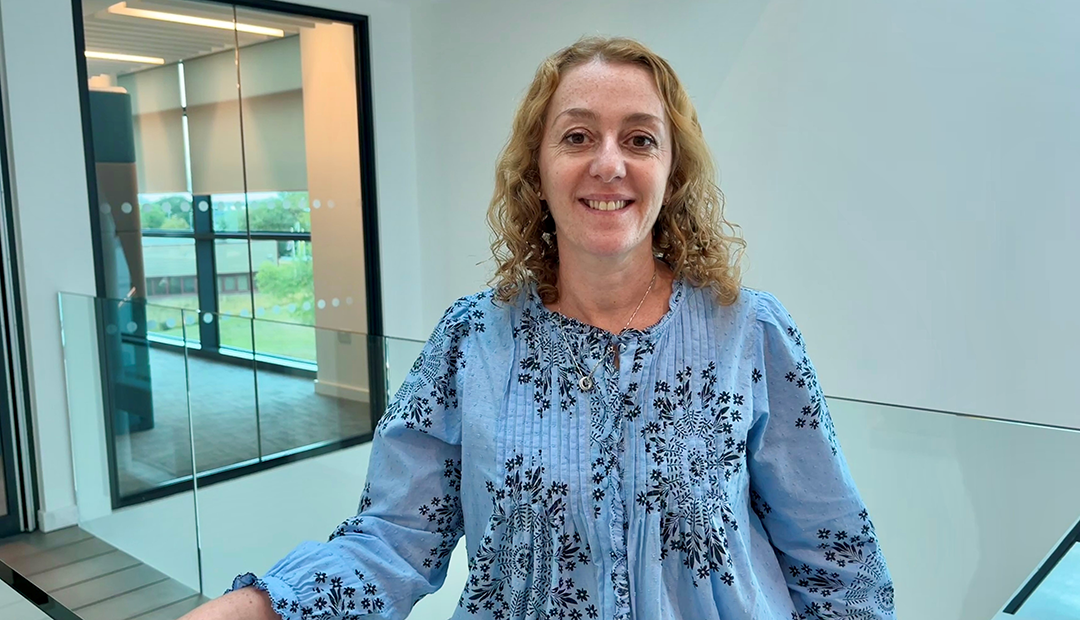
From culture to clinic: Alison Mason on making science work at scale
The science behind cell culture and fermentation rarely makes headlines. But without it, no treatment would reach a patient. Alison Mason knows this better than most.

11 March 2026 – 2 mins read
A Life in Science: Shaping early development with patient focus
New in our A Life in Science series, we hear from Mary Jane Hinrichs, Senior Vice President and Head of Early Development, about her path from discovering a passion for pharmacology to leading drug candidates through first-in-human trials. She shares how balancing strategy, science, and a constant focus on patients motivates her to shape the future of medicines.

04 March 2026 – 0 mins read
Ipsen 2026 Annual General Meeting
A replay with complete presentation and Q&A session will be made available soon after the Annual General Meeting.

04 March 2026 – 1 mins read
A Life in Science: Curiosity and collaboration in cancer research
New in our A Life in Science series, we hear from Elodie Lewkowicz, Asset Lead, about how curiosity and collaboration drive her mission to tackle the complexity of cancer. She reflects on mentoring, developing the next generation of scientists, and keeping patients at the heart of every data point to stay motivated through challenges.

04 March 2026 – 2 mins read
Moving NET Science Forward Together at ENETS 2026
The European Neuroendocrine Tumor Society (ENETS) 4 – 6 March 2026 conference in Kraków is one of the most important moments of the year for the global NET community. Clinicians, researchers, nurses, advocates and partners come together with a shared purpose to expand understanding of neuroendocrine tumors (NETs) and improve care for people living with them.

03 March 2026 – 2 mins read
From idea to impact: accelerating the promise of early science
Every year, new breakthroughs reveal possibilities for treating conditions once thought untreatable. But possibility alone is not enough. The true challenge lies in identifying compelling scientific opportunities early—and shaping them deliberately so they can one day make a meaningful impact for patients. At Ipsen, we recognize the potential of early science; where bold ideas thrive and where there is the greatest risk but also the potential to change patients’ lives.

27 February 2026 – 2 mins read
Listening isn’t a slogan, it’s the foundation of rare disease care
Rare Disease Day reminds us that rare conditions impact far more lives than many realize -over 300 million people globally, across more than 10,000 identified rare diseases. Yet what strikes me most on this day of recognition and reflection is that listening to patients remains an under-utilized lever for achieving progress in healthcare.

27 February 2026 – 2 mins read
Progress for Families Facing Rare Childhood Brain Tumors
Each year, hundreds of children across Europe are diagnosed with pLGG. For many, the journey involves invasive surgeries, years of intensive chemotherapy and the lifelong impact of potential vision, speech and neurological complications. With no global standard of care, families are often left facing uncertainty, complexity and incredibly difficult choices often over many years.

27 February 2026 – 3 mins read
A model for modern biopharma collaboration — the enduring partnership between Ipsen and IRICoR
In an era where breakthrough science increasingly depends on deep, cross sector collaboration, the longstanding partnership between Ipsen and the teams at the Institute for Research in Immunology and Cancer (IRIC) and its commercialization unit, IRICoR, at Université de Montréal stands out as a model for how academia and industry can accelerate science with purpose.

25 February 2026 – 2 mins read
We’re Ready for ASCO GU 2026: Advancing Knowledge Together
As the global GU oncology community prepares to gather in San Francisco for the American Society of Clinical Oncology Genitourinary Cancers Symposium (ASCO GU), colleagues from across Ipsen are energized by the opportunity to connect, learn, and contribute
18 February 2026 – 3 mins read
Rare Disease Day 2026: Listening to Patients to Imagine Better Futures
Rare diseases are more common than most people imagine, in how many lives they touch and in how profoundly they shape everyday life for patients and families. Behind every diagnosis is a person navigating far more than symptoms: daily routines transformed, ambitions redefined, misunderstanding and isolation to navigate and families adapting to uncertainty with resilience and hope.
18 February 2026 – 2 mins read
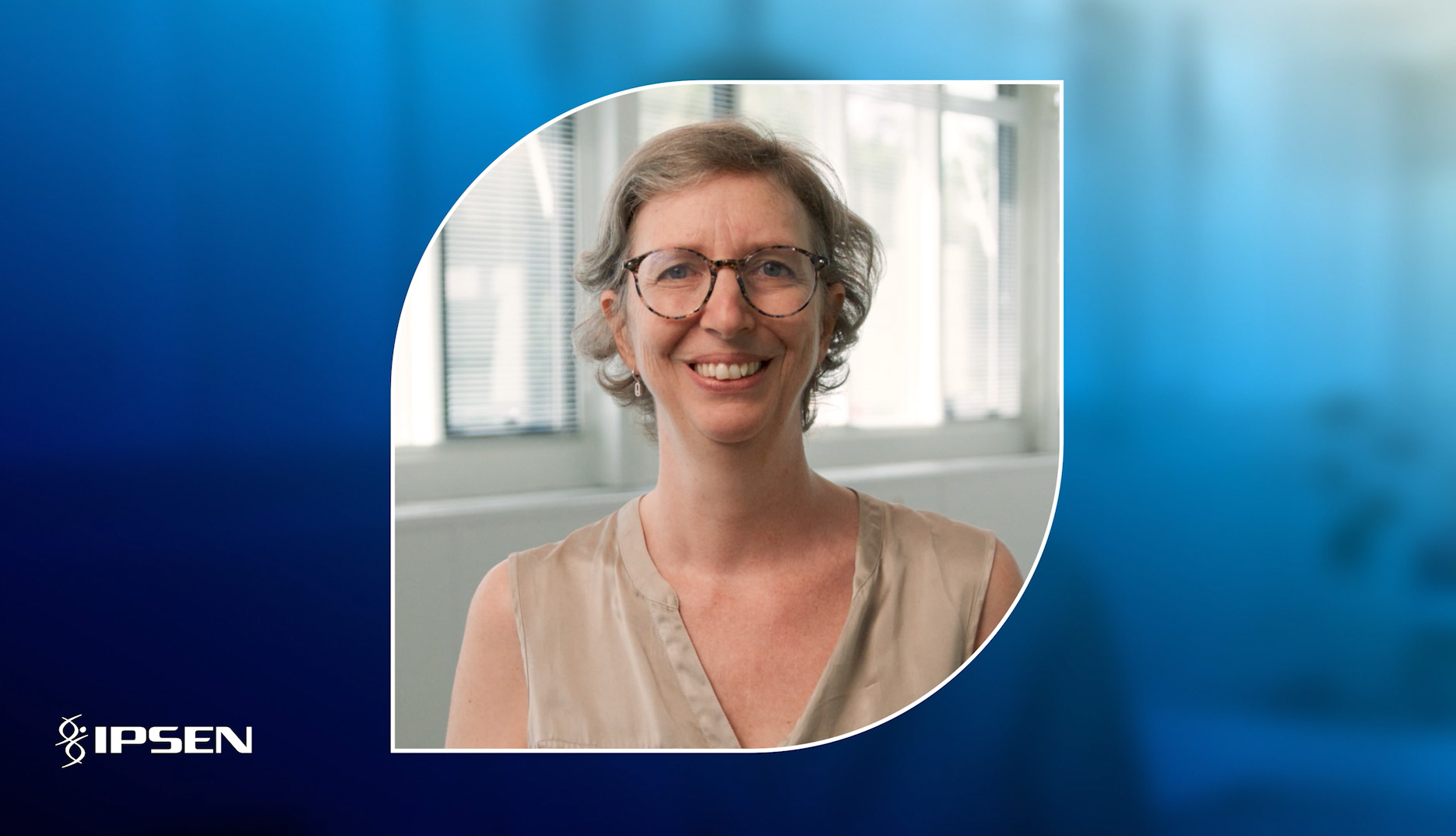
A Life in Science: Adapting science through diverse perspectives
New in our A Life in Science series, we hear from Florence Meyer-Losic, Vice President and Head of Translational Sciences, about her journey from veterinary medicine to human research. She highlights the importance of adaptability, continuous learning, and diverse expertise in building successful teams that deliver innovative treatments for patients.
12 February 2026 – 1 mins read
FY 2025: Strong results and momentum for 2026
FY 2025 was a year of strong execution and robust performance across all therapeutic areas, driving significant topline growth and reinforcing the company’s strategic momentum. Total sales grew 10.9% at constant exchange rates (CER), supported by a solid 7.5% growth in Q4.
11 February 2026 – 2 mins read
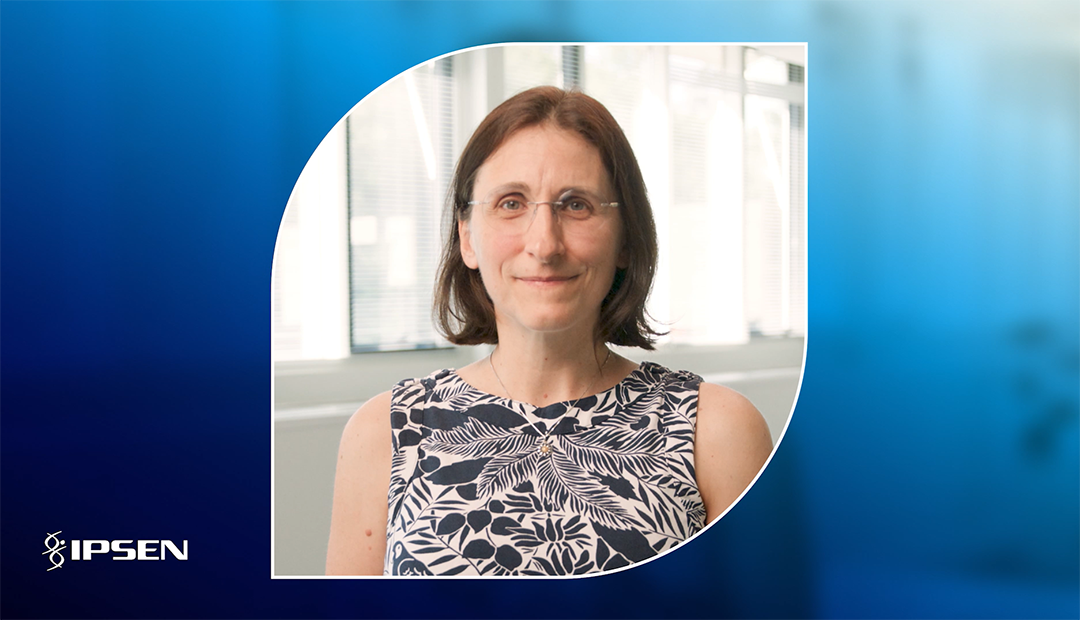
A Life in Science: Teamwork and resilience in early development
New in our A Life in Science series, we hear from Eli Leo, Early Development Asset Lead, about how teamwork, creativity, and even failure fuel progress in research. From seeing herself as a conductor guiding scientists like an orchestra to learning from the 98% of experiments that do not succeed, she shows how resilience and collaboration create meaningful breakthroughs for patients.

06 February 2026 – 2 mins read
Defining the path: Lineu Domit on the role of safety in early development
Before a medicine reaches patients, its promise must be measured against its risks. For Lineu Domit, safety physician in Ipsen’s Global Patient Safety team, this balance is the essence of early development.

04 February 2026 – 2 mins read
United by Unique: Ipsen’s Commitment to Transforming Cancer Care
As we prepare to mark World Cancer Day, which continues its three-year commitment to the powerful global theme of “United by Unique”, Ipsen acknowledges the immense, global challenge that cancer presents.
02 February 2026 – 1 mins read
Ipsen Earns a Top Climate Rating: What is CDP, and Why Does It Matter?
Together for the Climate: Ipsen Strengthens Its Climate Commitment with CDP A-List Recognition and SBTi Approval

19 January 2026 – 1 mins read
Alagille syndrome (ALGS) Awareness Day – Where powerful connections can make the difference
“We were shocked” That is how Celine felt when her family received the news that her daughter Suzanne had been diagnosed with the rare liver disease, Alagille Syndrome (ALGS) at just a few months old.

14 January 2026 – 2 mins read
Closing Care Gaps in Post‑Stroke Spasticity
At Ipsen, our heritage in neuroscience has always been about more than advancing science – it is about transforming lives. Despite advances in care and numerous initiatives to prevent stroke, cases continue to rise over recent decades.
12 January 2026 – 2 mins read
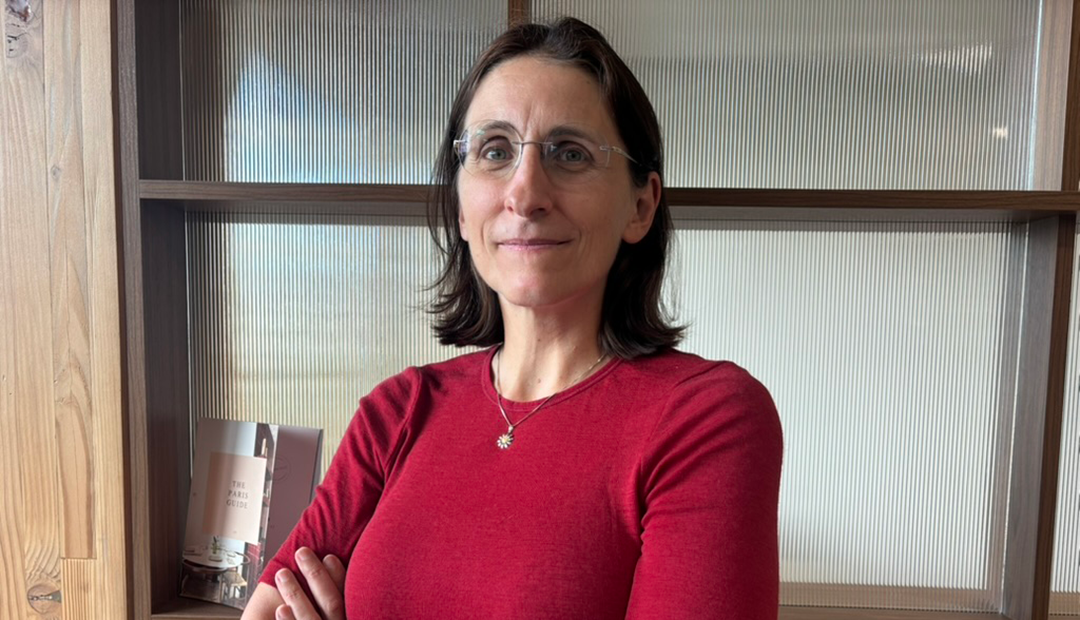
Bridging science and leadership: Elisabetta Leo on guiding early development at Ipsen
Elisabetta Leo is moving science forward at the heart of early development. This involves progressing nonclinical data and novel molecules in oncology, from bench to bedside.

16 December 2025 – 2 mins read
Acquired Science. Accelerated Impact. Ipsen’s Determined M&A Strategy Is Rewriting the Rules of Innovation
Philippe Lopes-Fernandes, EVP & Chief Business Officer, shares how Ipsen’s tenacious approach to dealmaking is transforming breakthrough science into global impact—solidly.

10 December 2025 – 2 mins read
Designing for precision: A passion for innovation with Will Olughu
Developing an antibody-drug conjugate (ADC) is a technical challenge. Across Ipsen’s work in ADCs Will Olughu leads a team driving the chemistry, manufacturing, and controls (CMC) effort to bring this complex science into reality.

05 December 2025 – 2 mins read
Bold Science, Bold Ambition: Shaping the Future of Oncology at Ipsen
It is a pivotal moment in Ipsen’s oncology journey, advancing our clinical-stage pipeline with bold science and a clear purpose – to bring meaningful innovation to the patients who need it most, transforming what patients and healthcare systems can expect from cancer treatment.

03 December 2025 – 2 mins read
Why the Future of Biopharma Belongs to Agile Innovators, not Industry Giants
The future of biopharma will be shaped not by the biggest players, but by the most agile ones. That is why I believe our operating model at Ipsen gives us a real advantage in today’s fast-moving landscape.

27 November 2025 – 0 mins read
This is My PBC
This is My PBC is a disease awareness initiative developed and funded by Ipsen, that seeks to raise awareness of the need for people living with PBC to know more about their disease and understand that everyone’s experience is different – and valid. By taking a personalized approach to your PBC management, you can empower yourself with the knowledge to have meaningful conversations with your healthcare professional, and play a more active role in your PBC management and care. You may be unique, but you are not alone.

25 November 2025 – 0 mins read
Meet Jo, living with PBC
Jo’s journey to diagnosis began about 10 years ago, when she contacted her GP feeling tired and run down, but it wasn’t until 4 years ago following some routine blood tests and a liver biopsy, that she received a diagnosis. Support groups, like the PBC Foundation, have been a gamechanger for Jo, providing support, education and a like-minded community.

25 November 2025 – 0 mins read
Meet Wendy, living with PBC
Wendy has been living with PBC for over 13 years, and it took 5 years of GP and specialist appointments to receive her diagnosis. Her advice to other people living with PBC is to go to your doctor prepared to ask lots of questions, manage your condition as well as you can and be kind to yourself.

25 November 2025 – 0 mins read
Meet Gill, living with PBC
Gill is a devoted mother and grandmother who loves spending time with her grandchildren and gardening. She also has a real passion for her volunteering work. She has lived for over 20 years with PBC.

19 November 2025 – 2 mins read
Built to endure: Prince Korah on relentless pursuit of robust drug product development.
Robustness is not a box to check—it’s the foundation of every decision. As a Senior Director in the Pharmaceutical Development function in Ipsen’s drug product development team, Prince Korah focuses on driving the pharmaceutical development strategy by overseeing the end-to-end life cycle of drug products with his team.

17 November 2025 – 1 mins read
Ipsen Certified in 30 Countries: A New Milestone in Our Cultural Transformation
We’re proud to share that Ipsen has been certified as a Great Place to Work in 16 countries in 2025, bringing our total to 30 countries worldwide recognized as employers of choice. This achievement is a strong testament to our…

13 November 2025 – 2 mins read
Ipsen’s Giving-Back Programs: Our Sustainability Commitments Go Beyond Environment
At Ipsen, we go beyond environmental responsibility to place societal impact at the heart of our actions. Through a range of Giving-Back Programs, the company aims to make a positive difference in the communities where we operate.
03 November 2025 – 1 mins read
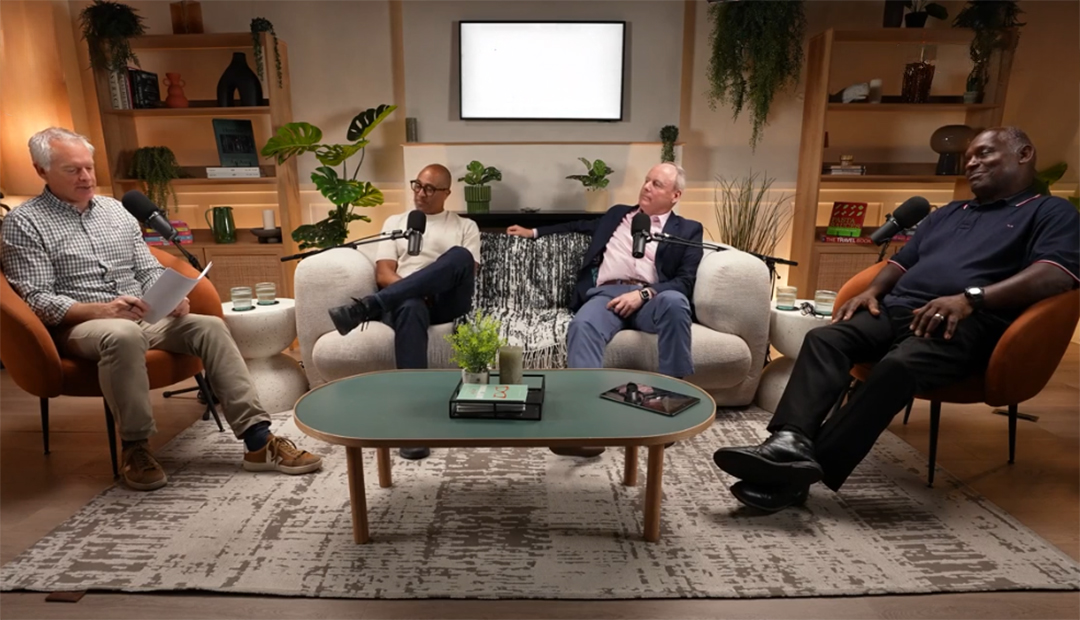
Get Men Talking: Ipsen Joins the Movember Movement for the Third Year
This Movember, Ipsen once again champions men’s health through our “Get Men Talking” podcast series — a heartfelt initiative encouraging open conversations about prostate cancer and wellbeing.

31 October 2025 – 2 mins read
Targeting what cannot be seen: Lindsey Rodrigues on the complexity of epigenetics
Targeting what cannot be seen: Lindsey Rodrigues on the complexity of epigenetics or mutated in a particular cancer. We have to ask, ‘do we have an understanding of how this gene works? Can we design a medicine to treat it or to target it?”’

30 October 2025 – 1 mins read
Ipsen at The Liver Meeting 2025
We’re proud to be part of The Liver Meeting 2025 hosted by the American Association for the Study of Liver Disease (AASLD), where leading healthcare professionals, scientists and the patient community come together to discuss the latest advances in scientific and medical innovations and care, across
30 October 2025 – 4 mins read
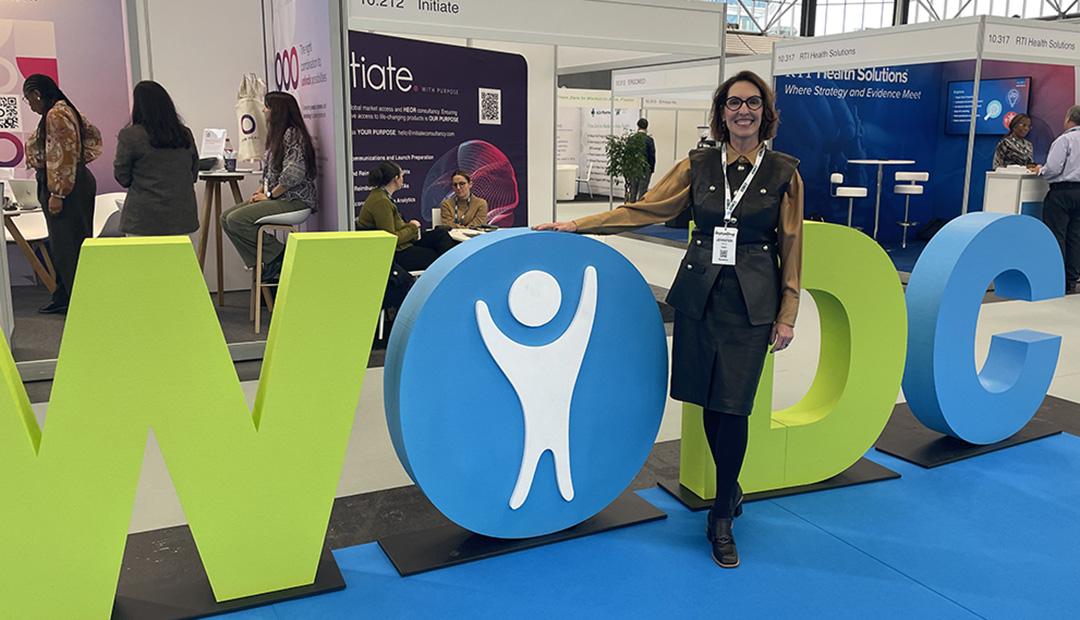
The Evolving Landscape of Liver Disease: Innovation, Integration, and Impact
Liver disease has emerged as a critical focus for the healthcare science community, driven by significant unmet needs—particularly in rare and underserved conditions.

22 October 2025 – 1 mins read

06 October 2025 – 3 mins read
Melanie’s story – living with lung neuroendocrine tumors
Every person’s experience living with neuroendocrine tumors (NETs) is unique and for Melanie, coming to terms with a diagnosis of lung NETs is an ongoing journey, building knowledge and understanding of how to live with this complex and often unknown form of cancer.

06 October 2025 – 0 mins read
Ipsen’s financial results for the first nine months of 2025
Ipsen’s financial results for the first nine months of 2025 were published on 22 October 2025.

03 October 2025 – 3 mins read
Standing Stronger Together on PFIC Awareness Day
Hugo Gomes da Silva, SVP Global Medical Affairs (Rare Disease) at Ipsen, shares powerful insights into the evolving challenges families face throughout their PFIC journey—and highlights the critical importance of trusted information and community support.
22 September 2025 – 2 mins read
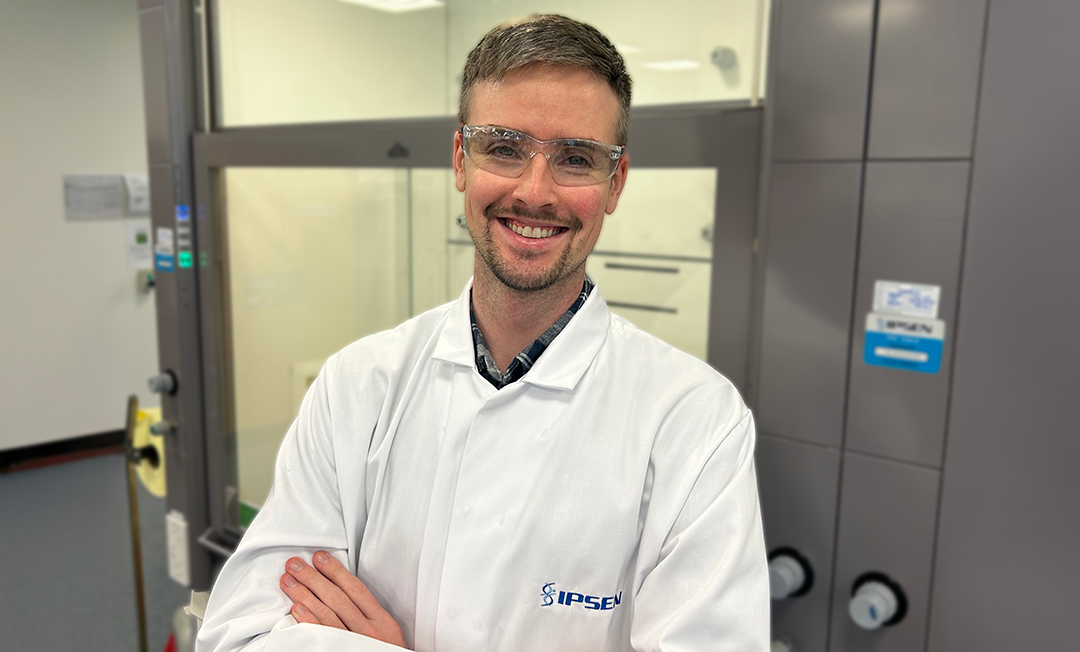
Building better processes, earlier: a chemist’s perspective on innovation and sustainability
Nathan McCormack focuses on the earliest stages of active pharmaceutical ingredient (API) development.

19 September 2025 – 2 mins read
Pharma Partnerships Thrive by Celebrating Every Milestone Along the Journey
Naomi Binoche, VP Head of Strategic Alliance Management, shares insights on how pharma partnerships are key to driving success and why celebrating every milestone along the way matters.

18 September 2025 – 3 mins read
PBC Awareness Day: Confronting Bias and Elevating Patient Voices
For the thousands of individuals, mostly women, living with primary biliary cholangitis (PBC), a chronic, progressive autoimmune liver disease, the journey can be lonely.

09 September 2025 – 3 mins read
Lily May's Story: Living With a Pediatric Low-Grade Glioma
Lily May, a vibrant and determined seven-year-old, loves gymnastics and golf. Yet, like many children living with pediatric low-grade glioma (pLGG), her life has been profoundly shaped by this rare brain tumor. Although the global burden is unknown, pLGG is a rare childhood brain tumor.
08 September 2025 – 2 mins read
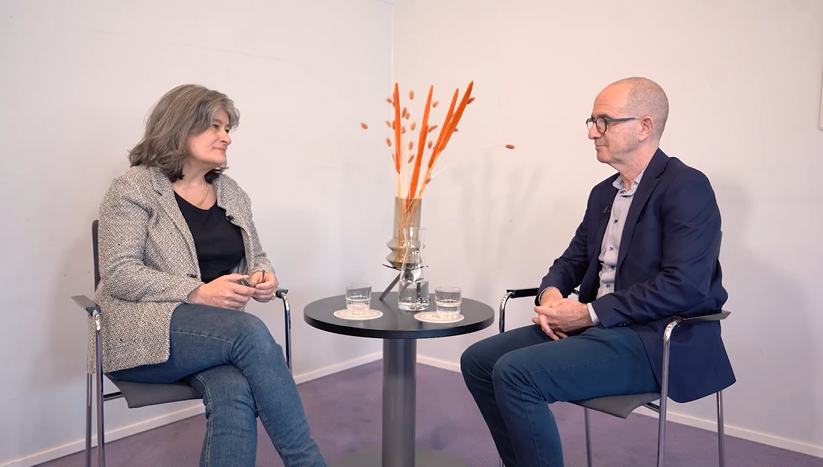
Recognizing the Signs Early: Improving Outcomes for Children with Rare Liver Diseases
Professor Björn Fischler, paediatric hepatologist at the Karolinska Institute in Sweden, and Laure Dorey, Director of the French patient organisation AMFE and mother of a child living with biliary atresia (BA), together discussed the realities of living with rare liver diseases (RLDs).

01 September 2025 – 1 mins read
Beyond tired: Understanding fatigue in Primary Biliary Cholangitis
Fatigue is a distinct and debilitating condition that can have a significant impact on quality of life…

25 August 2025 – 2 mins read
Understanding PBC: Managing what Matters Most
Ipsen’s Sandra Silvestri sat down with Dr. Laura Cristoferi, Professor Mark Swain, and Professor David Jones to explore the latest evidence on management of the rare, autoimmune disease, primary biliary cholangitis (PBC).
31 July 2025 – 1 mins read
H1 Results: a strong first half of 2025
The first six months of 2025 have been exceptional for Ipsen. We’ve delivered strong growth across all three of our therapeutic areas — Rare Disease, Oncology, and Neuroscience — reflecting the strength of our strategy and the dedication of our teams.

07 July 2025 – 2 mins read
A Journey of Strength and Hope, Joris and Maria’s story
Joris is a thriving seven-and-a-half-year-old boy who has been on a journey requiring strength and hope from himself, and all those around him. At just four weeks old, Joris began exhibiting unusual symptoms; vomiting, changes in his eating habits and he had very pale poo.
01 July 2025 – 0 mins read
H1 2025 Results
Ipsen’s financial results for the first half of 2025 will be published on 31 July 2025 at 07:00 CET.

16 May 2025 – 2 mins read
Céline and Suzanne: Navigating Alagille Syndrome
At just nine years old, Suzanne is a bright, creative young girl who loves dancing, drawing, exploring the woods, and watching birds. Despite living with Alagille syndrome (ALGS), a rare genetic condition, she embraces life with enthusiasm and curiosity.
17 April 2025 – 0 mins read
Ipsen 2025 Annual General Meeting
A replay with complete presentation and Q&A session will be made available soon after the Annual General Meeting.

10 April 2025 – 0 mins read
Q1 2025 sales update
The financial results for the Full Year 2024 will be published on February 13, 2025 at 7H00 CET and a conference call will take place at 13H00 CET.

26 March 2025 – 2 mins read
Living with Rare Liver Diseases: Unique challenges, Shared Experiences
Cholestatic liver diseases are a rare but significant group of conditions that impact both children and adults. Three such conditions—Primary Biliary Cholangitis (PBC), Progressive Familial Intrahepatic Cholestasis (PFIC), and Alagille Syndrome (ALGS)—share commonalities yet are unique in their caus

24 March 2025 – 3 mins read
Scientific Journey from Coal to Diamond: Myths and Misperceptions in Rare Disease Innovation
In storytelling, you might hear of a superhero who squeezes coal with immense strength and heat, instantly creating a flawless diamond. While fiction, it’s true that diamonds are rare and formed under precise conditions over millions of years. For me, this analogy resonates deeply with the developme

17 March 2025 – 1 mins read
A Life in Science: Shaping the Future of Precision Medicine
In the latest installment of our ‘A Life in Science’ series, we’re excited to introduce Crystel Ogier, our Clinical Biomarker Director, who leads the awareness and implementation of companion diagnostics at Ipsen. Crystel’s work is a prime example of how cutting-edge science is making a real impact

10 March 2025 – 1 mins read
A Life in Science: Driving Innovation Through Collaboration
Next in our ‘A Life in Science’ series, Dorinne Desposito, Predictive Toxicology Project Manager, shares her insights on driving innovation through creative thinking and the power of shared learning within our dedicated teams. Dorinne’s work exemplifies how cross-functional collaboration at Ipsen is

10 March 2025 – 3 mins read
Breaking Barriers to Rare Disease Innovation: Reflections from the World EPA Congress
For individuals living with a rare disease, every day without treatment is a day too long. At the World Evidence, Pricing and Access (WEPA) congress in Amsterdam, I participated in a panel discussion on long-term access to rare disease innovation. The conversation reminded me that behind every polic

03 March 2025 – 1 mins read
A Life in Science: The Privilege of Making a Difference
New in our ‘A Life in Science’ series, we hear from Christelle Huguet, Executive Vice President and Head of Research and Development, about what keeps her motivated in the challenging world of pharma.

01 March 2025 – 2 mins read
Rare Disease Day 2025: Imagining More for the Rare Disease Community
Every day, millions of people around the world face the immense challenges of living with a rare disease. For these individuals and their families, resilience is essential, and hope becomes a lifeline. Rare Disease Day is a moment to honour their courage, amplify their voices, and reaffirm our share
27 February 2025 – 3 mins read
Imagining More for Rare Diseases: Reflections on the Path Ahead
An article by Josep Catlla, Executive Vice President, Chief Corporate Affairs Officer

24 February 2025 – 1 mins read
A Life in Science: Navigating Uncertainty to Make a Difference
Next on our ‘A Life in Science’ series, meet Sandra Silvestri, our Executive Vice President and Chief Medical Officer.

13 February 2025 – 1 mins read
2024: A year of achievements and progress
Our performance in 2024 confirmed that our strategic initiatives are paying off, with significant advancements and robust financial growth across all three therapeutic areas: Oncology, Rare Disease and Neuroscience.

07 February 2025 – 1 mins read
Pioneering Today to Lead in STEM Tomorrow
Despite progress in gender equality, women remain underrepresented in STEM, making up just 1/3 of the workforce compared to 1/2 in non-STEM fields.1
04 February 2025 – 1 mins read
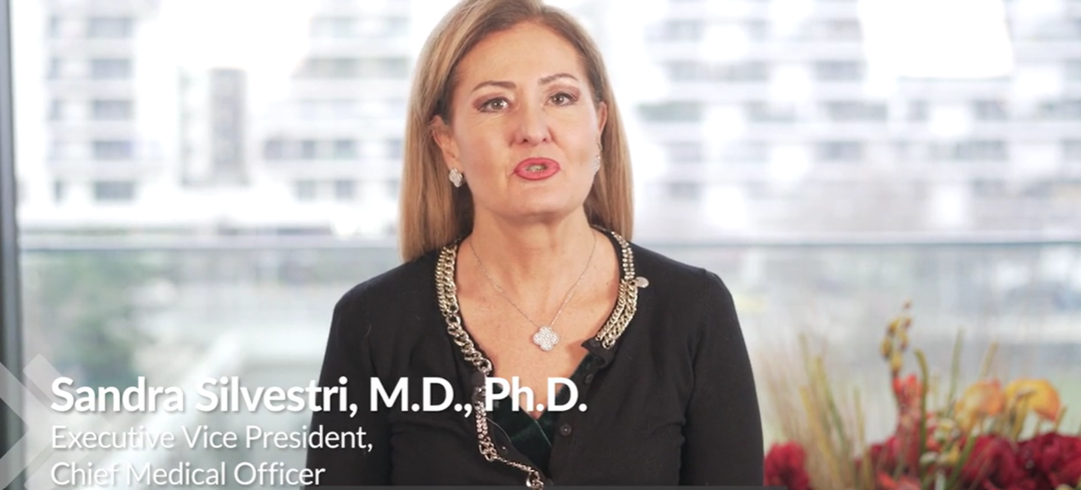
Driving continuous progress in cancer care
While being diagnosed with cancer isn’t unique- around 20m people are diagnosed with cancer globally each year, and that number is projected to double in next 20 years—how it affects each person is.

24 January 2025 – 0 mins read
Neuro Connections
Watch our three-part vodcast series, Neuro Connections, developed in collaboration with the World Stroke Organization, where we discuss current post-stroke care challenges and potential solutions with global specialists, advocates and healthcare professionals.

22 January 2025 – 2 mins read
Together for ALGS Awareness Day
Only 1 in 30,000 children are born with ALGS each year. This January, we are standing with the Alagille Syndrome Alliance to help raise awareness of this rare cholestatic liver disease and be #ALGSAware.

07 January 2025 – 3 mins read
GloCal approach wins worldwide: a collaborative approach for Commercial Learning & Development programs
Ipsen’s Commercial Learning & Development programs are built on close collaboration between our global and local teams. Emily Birch, Brand Manager Oncology, UK; Kerstin Schoenherr, Training Manager, DACH; and Maxime Chesnais, Training Talent Management Director, France, share why cooperation and syn

07 January 2025 – 3 mins read
Four programs, one goal: exploring Ipsen’s Commercial Learning & Development opportunities
How do you build best-in-class Commercial Learning & Development programs? We go behind the scenes with the experts: Guillermo Castillo Acero, Head of LATAM and General Manager of Brazil; Audrey Bergeron, Commercial Training Technology Manager, Global; and Marina D’Ascoli, Commercial Training Manage

16 December 2024 – 2 mins read
Assessing the benefits of early intervention in post-stroke care
With over 12 million people a year experiencing a stroke globally and over 100 million living with the effects and consequences of stroke, the burden of stroke is high and set to increase.

09 December 2024 – 2 mins read
Integrity at the Core – A Collective Commitment on Anti-Corruption Day
At Ipsen, we are proud to join the global initiative of International Anti-Corruption Day as part of our unwavering commitment to ethical practices and transparency.

30 November 2024 – 2 mins read
Advocating for babies with Biliary Atresia
Biliary Atresia (BA) is a rare liver disease that usually appears in the first month of a baby’s life.1 In this disease, the bile ducts in the liver may not develop as expected, or become obstructed shortly after birth, causing…

21 November 2024 – 3 mins read
“Knowledge is king”: how best-in-class Commercial Learning & Development Programs support healthcare professionals and patients
For Bartek Bednarz, the healthcare industry is increasingly time-poor. “Medical technology evolves rapidly, pushing healthcare professionals (HCPs) to constantly adapt. Aging populations means HCPs are facing an influx of patients requiring complex, long-term care, while innovative healthcare delivery models, such…

21 November 2024 – 3 mins read
Ipsen’s Commercial Learning & Development program keeps employees engaged
When Ioana Parsons, General Manager of the UK & Ireland, thinks about continuous learning, she sees one part of a larger puzzle. “Business performance reflects overall organizational health,” she says. “Plenty of data shows that ‘healthy’ organizations perform better –…

21 November 2024 – 1 mins read
Empowering our teams to get the most out of every HCP interaction
As transformative medicines, advanced technologies and new methods change the way our field teams operate, healthcare professionals (HCPs) are facing a new paradigm. At Ipsen, our goal is to leverage our expertise to bring value to HCPs with the right information at the right time.

19 November 2024 – 1 mins read
Progressing towards our culture of collaboration, excellence and impact: People Experience Survey results shine a light on Ipsen’s strong culture
The results of our annual People Experience Survey are in and we’re proud of the progress we’ve made on our culture journey! More than 4,500 employees—approximately 86% of our workforce—shared their thoughts on what our culture is doing well and where we can do even better.

17 November 2024 – 2 mins read
The ‘Get men talking’ podcast: breaking the silence around prostate cancer
Ipsen’s Get Men Talking Podcast returns with a second episode for Movember 2024, continuing to urge men to get screened for prostate cancer and prioritise their long-term health. This year’s episode brings you a candid, heartfelt discussion with Tim Batchelor, now celebrating over 10 years cancer-fr

28 October 2024 – 2 mins read
Science-First Collaborations: Ipsen’s Blueprint to External Innovation
David Jenkins, SVP and Head of External Innovation and Research, leads efforts to identify, evaluate and secure new programs across Ipsen’s three strategic areas of Oncology, Rare disease, and Neuroscience. He shares his insights on the essential role that collaboration,…

25 October 2024 – 2 mins read
Ipsen is now a great place to work in 28 countries: A New Milestone in our culture journey
Ipsen is proud to announce that 12 countries have been certified as a Great Place to Work in 2024. With that we are now considered as employer of choice in a total of 28 countries worldwide. This significant achievement reflects…

24 October 2024 – 2 mins read
Building a Sustainable Future: Ipsen's Journey with the United Nations Global Compact
The United Nations Global Compact is a voluntary initiative that calls on CEOs worldwide to implement universal sustainability principles and support the United Nations (UN) goals. By joining the UN Global Compact, companies commit to aligning their strategies and operations with ten fundamental pri
17 October 2024 – 0 mins read
Financial results for the first nine months of 2024
The financial results for the first half of the year will be published on July 25, 2024 at 7H00 and a conference call will take place at 13H00 CET.
14 October 2024 – 2 mins read
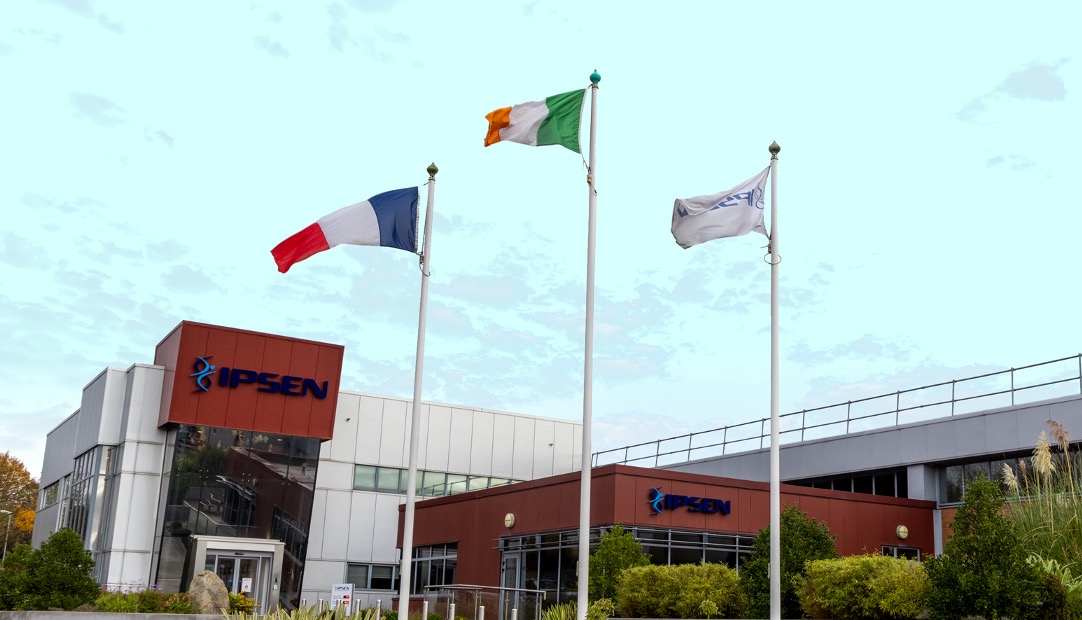
Excellence in action: Ipsen is first pharma company to receive two Gold Shingo Prizes
Meeting the world’s highest standard for operational excellence is rare, and it’s even rarer to do it twice. Ipsen’s manufacturing site in Signes first received the Gold Shingo Prize for operational excellence in 2020.
11 October 2024 – 1 mins read
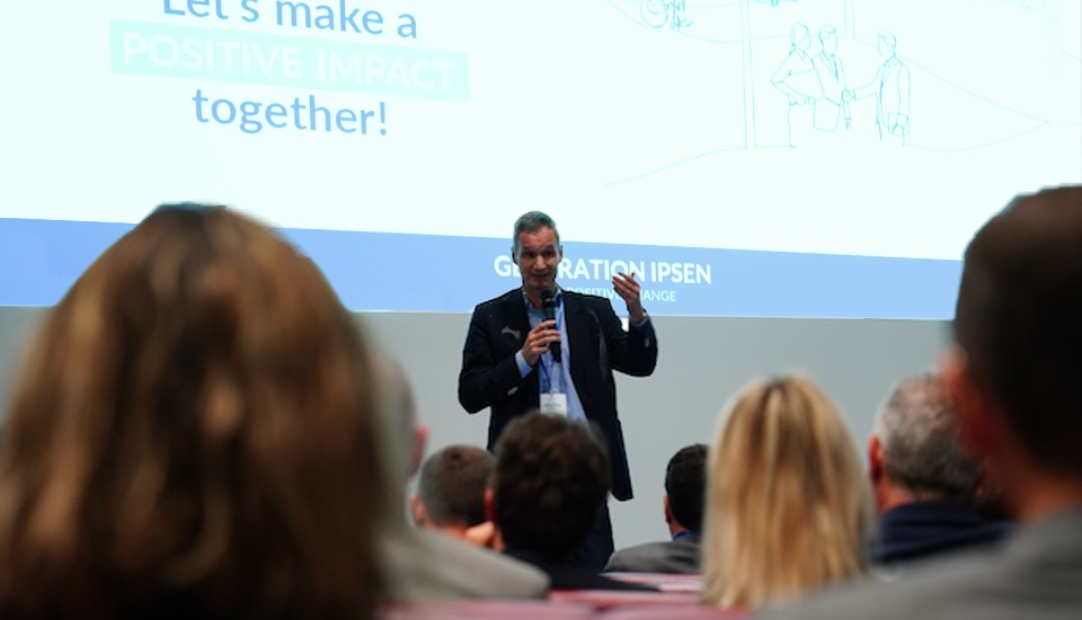
Sustainability in the Supply Chain: Ipsen’s First Supplier Sustainability Day
Sustainability plays a critical role in shaping the future of our business and the world at large. To ensure we embed sustainability in our supply chain, we recently hosted our inaugural Supplier Sustainability Day event, bringing in key partners to meet with Ipsen leaders.

04 October 2024 – 3 mins read
Looking after a loved one with Progressive Familial Intrahepatic Cholestasis: Francesca’s Story
A few months after Eva Luna was born, her mother Francesca realised something wasn’t quite right. Within the span of a few days, their world was turned upside down when her daughter was diagnosed with a rare liver disease, known as Progressive Familial Intrahepatic Cholestasis (PFIC). Yet despite th
01 October 2024 – 1 mins read
Ipsen Achieves Its Record-High Score in 2024 S&P Global CSA, Setting New Company Benchmark
We are proud to announce that Ipsen’s rating has reached an all-time high in the 2024 S&P Global Corporate Sustainability Assessment (CSA). Our score has increased by 4 points, from 57 in 2023 to 61 as od 19 September 2024, placing Ipsen in the 94th percentile of our industry. This remarkable achiev

23 September 2024 – 1 mins read
Ipsen’s Commitment to Zero Emissions: A Step Towards a Sustainable Future
Zero Emission Day is a global initiative that raises awareness about the impact of human activities on climate change and promotes sustainable practices.

12 September 2024 – 4 mins read
Partnering for Progress: The Importance of Collaboration in Primary Biliary Cholangitis (PBC) Awareness
September is a month dedicated to raising awareness about Primary Biliary Cholangitis, I find myself reflecting on the challenges faced by those living with rare cholestatic disease. PBC Awareness Day on September 10th is not just a date on the calendar; it’s a reminder that understanding and suppor

11 September 2024 – 1 mins read
Breaking Barriers at Ipsen
At Ipsen, our commitment to supporting para-athletes is a direct reflection of our core values. We believe in removing barriers and fostering an environment where diversity is celebrated, and every individual is supported to drive innovation. Our company culture encourages all employees to reach the

10 September 2024 – 3 mins read
Living with Neuroendocrine Cancer: Stephen’s story
It was only at 46 years old that Stephen was diagnosed with neuroendocrine cancer. Lovingly married to his wife and father to two sons freshly out of high school, in the prime of life with decades ahead of him, Stephen was shocked and confused by his diagnosis. His doctor told him he had 10 to 15 ye
03 September 2024 – 2 mins read
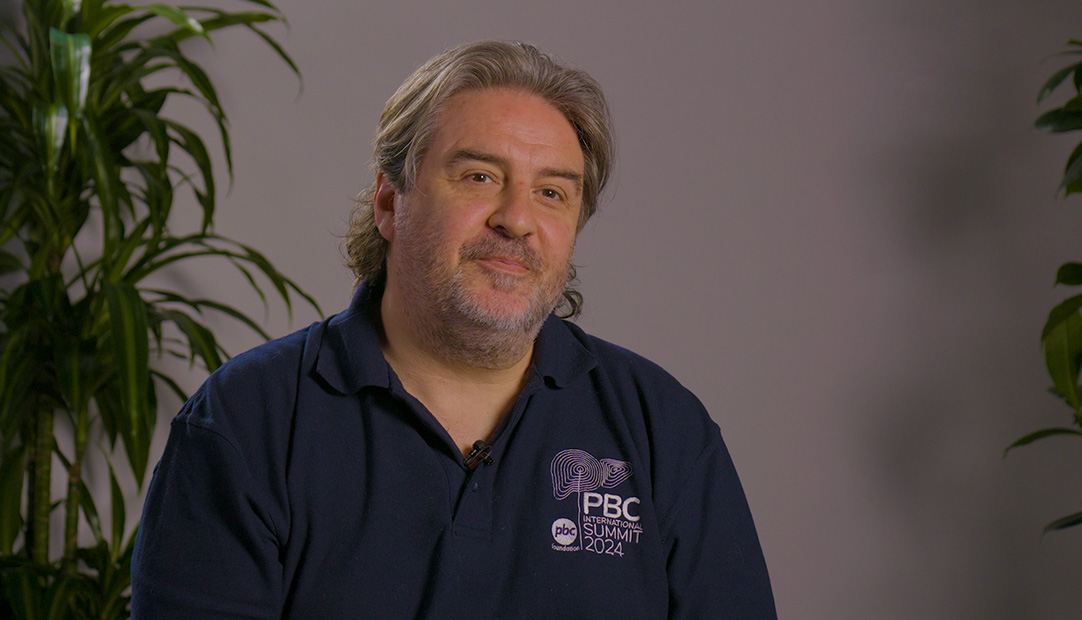
Provide Better Care: PBC Awareness Day 2024
“We’re often asked, what is the PBC journey? And the challenge is that, well, the PBC journey doesn’t exist. There are thousands and thousands of patients around the world, and each of them have an individual journey.”

21 August 2024 – 1 mins read
Taking Mindful Risks: Ipsen’s Pathway to Innovation
At Ipsen, our strategy is anchored in the principle of taking calculated risks to drive innovation. We inspire our employees to embrace innovation and approach risk-taking with a strategic mindset, ensuring that it aligns with our company’s objectives and ethical guidelines.

08 August 2024 – 1 mins read
Winning Together at Ipsen
At Ipsen, our commitment to supporting para-athletes is deeply aligned with our core values of cultivating and embracing diversity. By standing alongside these incredible athletes, we demonstrate our dedication to fostering an inclusive environment where every individual is valued and encouraged to
25 July 2024 – 1 mins read
Strong growth and expanding pipeline in the first half of 2024 drive raised guidance
The first six months of 2024 saw excellent sales growth of 9.5% at CER, and a core operating margin of 32.4%. In light of these strong results, we raised our 2024 total-sales guidance to over 7% growth, with a core operating margin of over 30%.

24 July 2024 – 2 mins read
How physicians can help empower people living with Primary Biliary Cholangitis
During the European Association for the Study of the Liver (EASL) congress, leading liver experts, Dr Mark Swain, Dr Emma Culver, and Dr Marco Carbone, sat down to discuss the effective management of primary biliary cholangitis (PBC)
22 July 2024 – 0 mins read
Financial results for the first half of 2024
The financial results for the first half of the year will be published on July 25, 2024 at 7H00 and a conference call will take place at 13H00 CET.

15 July 2024 – 1 mins read
Ipsen shines at ESG Life Sciences Summit Europe 2024
The ESG Life Sciences Summit Europe, held in June brought together industry leaders to discuss how the life sciences sector can drive meaningful change through ESG initiatives.

26 June 2024 – 3 mins read
Spectra ERG Celebrates its First Anniversary Supporting the LGBTQIA+ Community at Ipsen
When Eric Gratton joined Ipsen from a large financial services firm, he was surprised to find there wasn’t an employee resource group (ERG) dedicated to the LGBTQIA+ community. “Being the over-achiever I am, I thought I should start one: a little passion project for the community and its allies.”

05 June 2024 – 2 mins read
The importance of personalized care to empower patients with PBC
At the European Association for the Study of the Liver (EASL) congress, leading liver experts discuss the importance of proactive, personalized care and shared decision-making during consultations. A personalized care approach begins by listening to the patient’s feelings and needs, which can result

31 May 2024 – 1 mins read
Our 2023 Integrated Annual Report is live!
In 2023, we entered the next phase of our journey of growth and innovation, reinforcing our position as a leading mid-sized biopharmaceutical company. With a sharp focus on our three therapy areas of Oncology, Rare Diseases, and Neuroscience, we achieved total sales of €3,128 m.

29 May 2024 – 1 mins read
Together, we can improve the lives of people living with kidney cancer
Together for Kidney Cancer is a global disease awareness initiative funded by Ipsen aiming to raise awareness of the reality of people’s experiences living with kidney cancer and the importance of shared decision making to inform better care outcomes.

22 May 2024 – 3 mins read
Ipsen's Commitment to Biodiversity
Biodiversity encompasses the rich array of species and ecosystems vital for our planet’s health. Yet, human activities have endangered this diversity, jeopardizing not only various species but also our daily lives. Biodiversity is crucial for human health, providing essential services such as pollin

20 May 2024 – 4 mins read
Exploring life and parenthood with Primary Biliary Cholangitis
Sandra Silvestri, Executive Vice President & Chief Medical Officer at Ipsen, reflects on the challenges women living with primary biliary cholangitis (PBC) face and why we have big dreams of a better future for PBC.
20 May 2024 – 4 mins read
Improving Diversity in Research and Development to Drive Health Equity
To mark World Clinical Trials Day, we sat down with Christelle Huguet, Executive Vice President, Head of R&D at Ipsen to explore the importance of diversity from all sides of the research and development process, as we accelerate innovation.

14 May 2024 – 2 mins read
Progressive Familial Intrahepatic Cholestasis (PFIC): Liver experts discuss early diagnosis and management
Progressive Familial Intrahepatic Cholestasis (PFIC) is a rare liver disease that can pose significant challenges, particularly in young children1, but the good news is that there are growing opportunities to manage the disease, slow its progression and improve outcomes.
29 April 2024 – 0 mins read
2024 Annual General Meeting
A replay with complete presentation and Q&A session will be made available soon after the Annual General Meeting.
22 April 2024 – 3 mins read
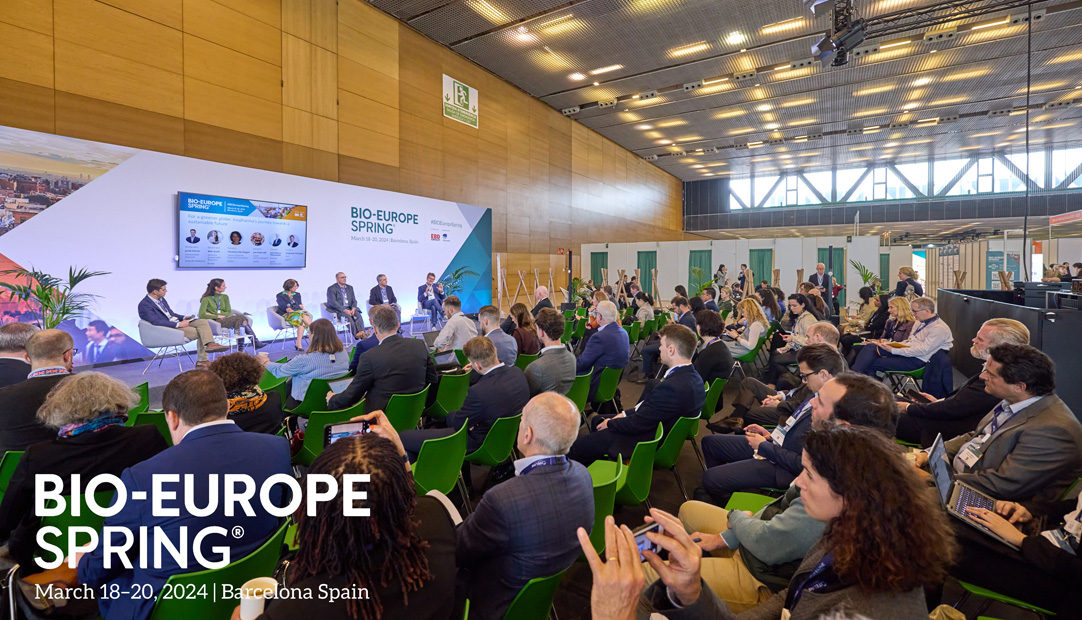
Navigating Proactive Sustainability in Pharma R&D and Partnering
In March, we were proud to see Florence Dal Degan, Senior Director of External Innovation, participate in a panel discussion with different stakeholders, from consulting firms, pharma companies, investors to startups at BioEurope Spring entitled “Towards a Greener Globe: Biopharma’s Path to Sustaina

19 April 2024 – 0 mins read
Q1 2024 sales update
The Q1 2024 sales announcement will be published on April 24, 2024 at 7am CET. Find out more and register for the conference call for investors and analysts.

10 April 2024 – 3 mins read
Going on a PBC journey together
At seventy-one-years young, Gill, a devoted mother and grandmother from Nottinghamshire, loves spending time with her grandchildren and gardening. She also has a real passion for her volunteering work, to raise awareness of the ‘invisible, and isolating disease she has…

03 April 2024 – 2 mins read
Life with Primary Biliary Cholangitis: Sabrina’s Story
Sabrina is a lover of nature, mother and grandmother, whose outlook on life is to make every moment count. Sabrina lives with primary biliary cholangitis (PBC), which means every day is different depending on the severity of her symptoms, but…
02 April 2024 – 3 mins read
Unlocking Potential Through Early-Stage Partnerships
We are pleased to share a recent conversation with Mary Jane Hinrichs, Senior Vice President, and Global Head of Early Development. Mary Jane spearheads the strategic direction and execution of early-stage programs at Ipsen, guiding them from drug candidate to…

15 March 2024 – 2 mins read
Applications now open for the 2024 Golden Ticket competition
As part of our commitment to accelerating transformative research and development, we’re excited to announce that our annual Golden Ticket competition is now open! Through our continued partnership with BioLabs, we’re delighted to be offering the brightest minds in biotech…

14 March 2024 – 2 mins read
Focus; Confidence; Commitment – The Building Blocks of Win-Win Partnerships
Ipsen’s Senior Director of Global Partnering for Oncology, Madee Gooriah, is part of the team leading efforts to expand Ipsen’s oncology franchise through external partnerships at every stage of development. But in an industry marked by complexity, how do we…

08 March 2024 – 2 mins read
Women of Ipsen share their advice to their younger selves
While 2023 saw us reach gender balance amongst the 170 top leaders of our organization, we know that our work towards the inclusion and empowerment of women doesn’t stop there. For International Women’s Day 2024, we’ve invited some of the…
29 February 2024 – 2 mins read
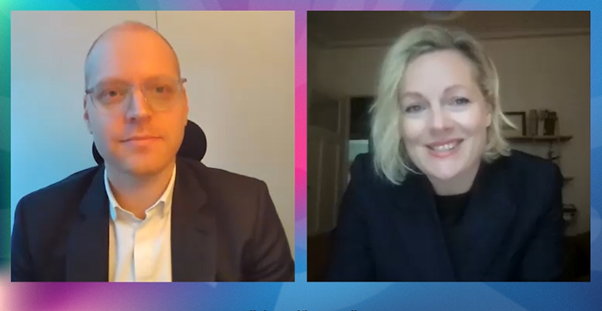
Working together to create positive change in rare diseases
Every four years, Rare Disease Day lands on the ‘rarest’ day of the year, 29th February. Due to leap years, this day is normally celebrated on 28th February, but this year means it is taking place on its intended day….

12 February 2024 – 2 mins read
The not-so-rare challenges of rare liver diseases
Hearing a rare liver disease diagnosis can be one of the most emotionally turbulent moments in a person’s life.1 For the parents of the estimated 1 in 50,000 – 100,000 newborns impacted by rare liver diseases, this moment is all…

09 February 2024 – 5 mins read
Navigating STEM Careers: Shared Wisdom from Inspiring Women at Ipsen
11th February marks International Day of Women and Girls in Science. To celebrate the occasion, we spoke to Martine Zimmermann, Jill Buck, Alison Mason, Florence Meyer-Losic, and Christelle Huguet to hear the advice they would share with their younger selves…

08 February 2024 – 1 mins read
Ipsen delivers FY 2023 results and anticipates four launches in 2024
Hear what Ipsen CEO David Loew has to say about our solid full-year results and a new era of dynamic growth.

08 February 2024 – 0 mins read
FY 2023 results announcement
Ipsen’s FY 2023 results announcement took place on 8 February 2024 at 7am CET/1am EST.

02 February 2024 – 3 mins read
Caring for a Loved One with Metastatic Pancreatic Cancer: Nora’s Story
Nora and her husband, Hector, met 39 years ago, got married shortly after, and have been inseparable ever since. In 2021, Hector was diagnosed with metastatic pancreatic cancer, which threw their entire family into navigating a very difficult diagnosis. Nora…

31 January 2024 – 1 mins read
Continuously improving how we engage with patient communities 2023 Ipsen patient organization engagement satisfaction survey results
In 2023 Ipsen launched its third global patient organization engagement survey, featuring the perspectives of 85 patient organizations (POs) globally. These findings will be used to help Ipsen deliver on what matters most to patients and caregivers. For the third…

21 December 2023 – 2 mins read
J.P. Morgan 2024: Ipsen discusses progress, next phase of growth and partnering ambition
At the J.P. Morgan Healthcare Conference in San Francisco from January 8 to 11, 2024, Ipsen’s management team leaders will discuss our transformation story, next phase of growth and external innovation ambitions.

12 December 2023 – 3 mins read
Uniting for patients: Ipsen’s first patient centricity week – Care 2 Know More
At Ipsen, improving patients’ lives drives us. We work together with patients, for patients. However, we know that understanding how to be more patient centric can be challenging, especially if you don’t work with patients in your day-to-day role.

28 November 2023 – 2 mins read
Primary Biliary Cholangitis: The Power of Patient Reported Outcomes
“The important thing with PBC is to take a holistic view of it, and think ‘What are the problems we are trying to solve? The first is the risk of progression to cirrhosis, and the other is symptoms and quality…

20 November 2023 – 1 mins read
Ipsen sponsors 5 elite athletes on their journeys to the 2024 Paralympics
Starting now and throughout 2024, Ipsen is sponsoring five talented, elite athletes on their journeys toward the 2024 Paralympic Games.
13 November 2023 – 1 mins read
The Liver Meeting 2023: Innovating for people living with rare liver diseases
Jennifer Schranz (Ipsen’s Global Head of Rare Diseases) attended The Liver Meeting from November 10-14, sharing key insights from her time onsite and explaining why scientific congresses are vital in helping advance innovation for patients.

10 November 2023 – 2 mins read
Ipsen’s mission to accelerate innovation in oncology
The outputs from the European Society of Medical Oncology (ESMO) Congress this year encompassed several important new data announcements, highlighting key advances in the development of therapies for people living with cancer. However, cancer remains a formidable global health challenge,…

10 November 2023 – 1 mins read
Examining the European Pharma legislation: EFPIA publishes the Dolon Report
The European Federation of Pharmaceutical Industries and Associations (EFPIA) has commissioned Dolon to develop a report to assess the impact of the proposed European Commission pharma legislation. The Dolon Report, published on 6 November, has projected that the proposed legislation…

03 November 2023 – 0 mins read
Capital Markets Day 2023
Ipsen plans to host a capital-markets day, starting at 12.30 pm GMT on 7 December 2023, at The Brewery, London. In-person attendance is by invitation only.

31 October 2023 – 2 mins read
Ipsen stands together to make innovation in rare disease happen
Developing innovation for people living with rare diseases is uniquely challenging. It requires all the different pieces of the puzzle– clinical viability, economic viability and the policy environment— to come together before innovation can reach patients.

31 October 2023 – 2 mins read
Innovating for people living with primary biliary cholangitis
At Ipsen we have been focused on developing new and innovative treatments for rare diseases for many years in endocrinology, rare bone disease and more recently in rare liver disease. This focus continues to be a core part of our…

29 October 2023 – 1 mins read
Rising to the challenge, life after stroke
Globally, stroke is the 2nd leading cause of death worldwide, in addition to being the 3rd leading cause of combined death and disability across the world, with approximately 1 in 4 people over the age of 25 expected to experience…

29 October 2023 – 0 mins read
Improving post-stroke care for survivors across the globe
Stroke is the 2nd leading cause of death worldwide, in addition to being the 3rd leading cause of combined death and disability, with approximately 1 in 4 people over the age of 25 expected to experience a stroke at some point in their lives.

27 October 2023 – 1 mins read
Ipsen is officially recognized as a great place to work worldwide
At Ipsen we are incredibly proud of the way that our culture is evolving. Lived through our Ipsen Way of Being and supporting our business strategy, our team is demonstrating internally and externally our culture of collaboration and excellence and…

23 October 2023 – 1 mins read
2023 year to date and third-quarter sales results
Ipsen has published its year to date and third-quarter sales results on 26 October 2023 at 7am CET.
09 October 2023 – 2 mins read
Bridging the innovation gap in rare diseases
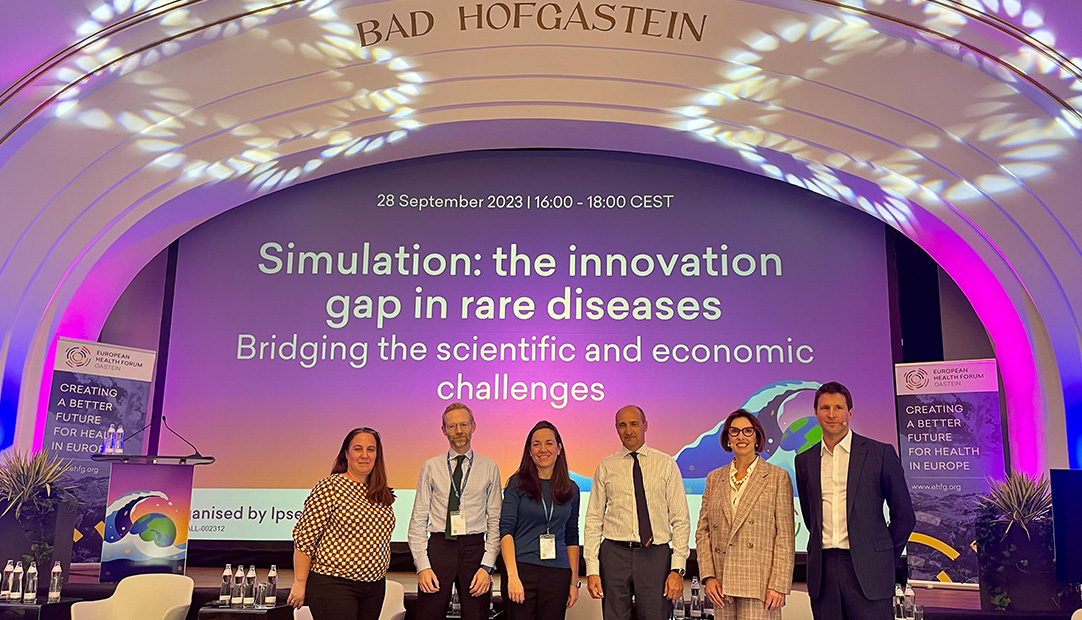
At the latest edition of European Health Forum Gastein, Ipsen held an interactive session to raise awareness of the challenges inherent in drug development for rare and ultra-rare diseases.
01 September 2023 – 4 mins read
PBC Awareness Month: The power of patient voices
As anyone living with Primary Biliary Cholangitis (PBC) – a rare and progressive autoimmune liver disease1 – knows, the disease can have a significant impact on a person’s day to day life and relationships.2

29 August 2023 – 1 mins read
Mapping valuable insights from the FOP patient community in the UK and Spain
FOP is an ultra-rare genetic disorder where extra bone formation takes place in soft tissues, including muscles, tendons and ligaments, causing irreversible and progressive loss of mobility and leading to severe disability. To better understand the struggles that people living…
29 August 2023 – 2 mins read
Putting yourself in the shoes of someone with an ultra-rare condition: the first FOP immersive experience
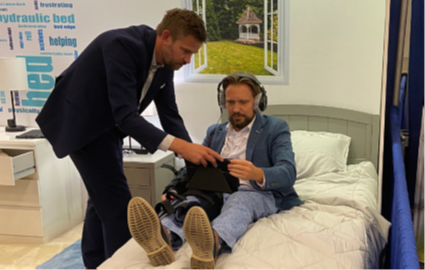
You can never truly understand what it’s like to live with an ultra-rare condition unless you’ve experienced it for yourself. With this in mind, we recently embarked on a project to help healthcare professionals experience what it’s like to live…

29 August 2023 – 2 mins read
Understanding the Person Behind the Chart – Living with Primary Biliary Cholangitis
Primary biliary cholangitis (PBC) is a chronic autoimmune disease that affects liver function and can have debilitating symptoms for people living with the condition, including unrelenting itch, fatigue, pain and dry eyes and mouth. In addition, people who live with…

29 August 2023 – 2 mins read
Learning the impacts of FOP from patients and their families – The Burden of Illness study
Fibrodysplasia ossificans progressiva (FOP) is an ultra-rare genetic disorder where extra bone formation takes place in soft tissues, including muscles, tendons and ligaments, causing irreversible and progressive loss of mobility, leading to severe disability. While the impact of the disease…

29 August 2023 – 2 mins read
Making clinical trials relevant to stroke survivors
At Ipsen, we endeavor for all our clinical trials to be reflective of the real world, and this requires the participation of a cross-section of people living with a particular condition. However, for some stroke survivors with post-stroke spasticity –…

29 August 2023 – 1 mins read
Gathering insights to improve clinical trials direction study patient advisory board
At Ipsen, we strive to improve the experiences of those participating in our clinical trials and do this by capturing insights from people living with the conditions we are investigating to help us to improve how we run our studies.

29 August 2023 – 2 mins read
Unchartered territory: Mapping the cervical dystonia patient experience
We collaborated with Dystonia Europe to help uncover the unmet needs of people living with cervical dystonia – a rare, underdiagnosed neurological movement disorder that primarily affects the muscles in the neck. This can cause the head to turn to…
29 August 2023 – 2 mins read
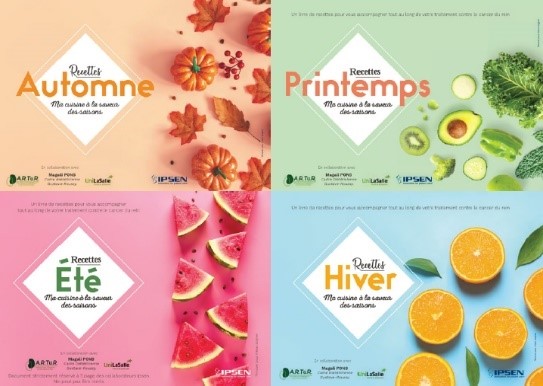
Co-creating recipe guides with the kidney cancer patient community to tackle undernutrition during treatment
In France, we partnered with patient organization Association pour La Recherche sur les Tumeurs du Rein (A.R.T.u.R) and experts to help people living with kidney cancer overcome undernutrition.
29 August 2023 – 1 mins read
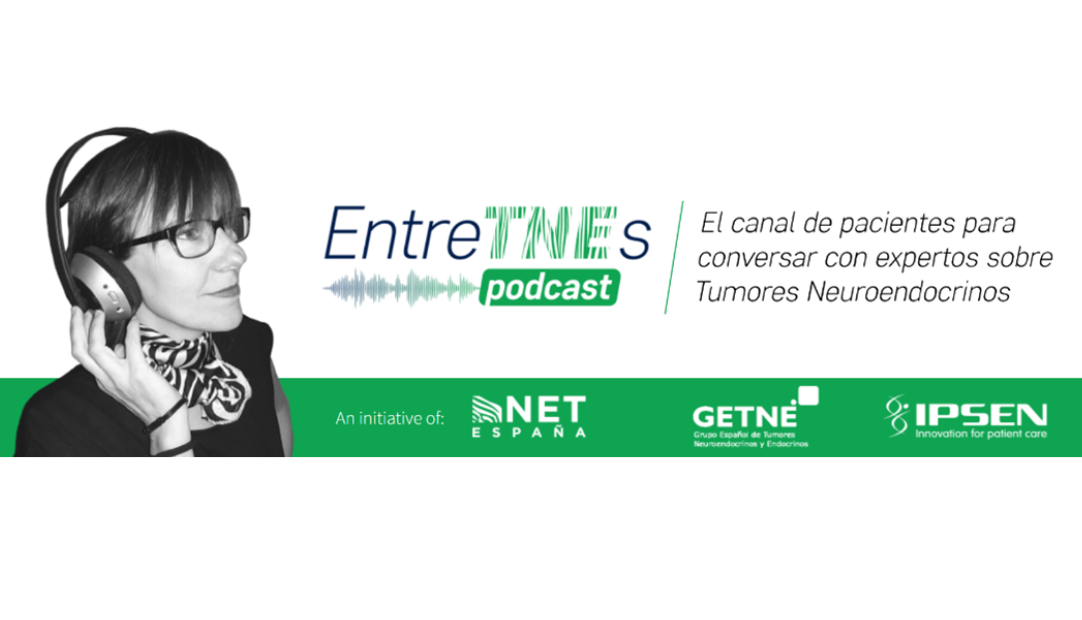
Uniting the neuroendocrine tumor (NET) community in Spain: Podcast series
We worked together with the Spanish patient organization NET España and local scientific society Grupo Español en Tumores Neuroendocrinos y Endocrinos (GETNE) on a podcast series to raise awareness of neuroendocrine tumors (NETs), a group of uncommon tumors that develop…
29 August 2023 – 2 mins read
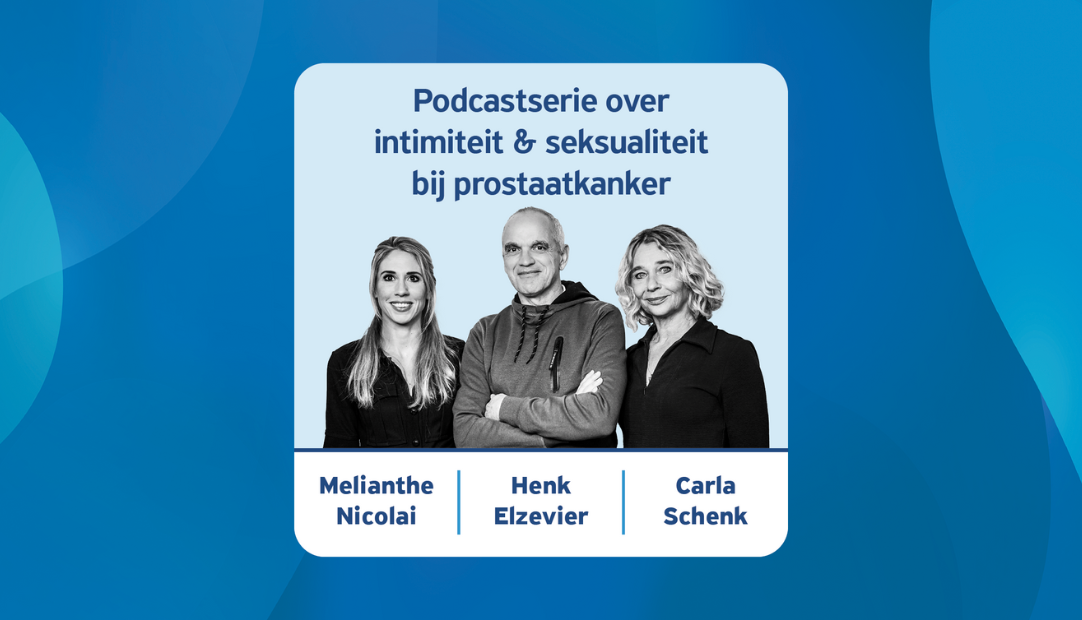
Tackling taboos in prostate cancer: Sex in the doctor’s office podcast
People living with prostate cancer in the Netherlands told us they needed more support around intimacy and sexual health due to the impact that their treatment can have on these. A LinkedIn poll also identified that 95% of caregivers of…
29 August 2023 – 3 mins read
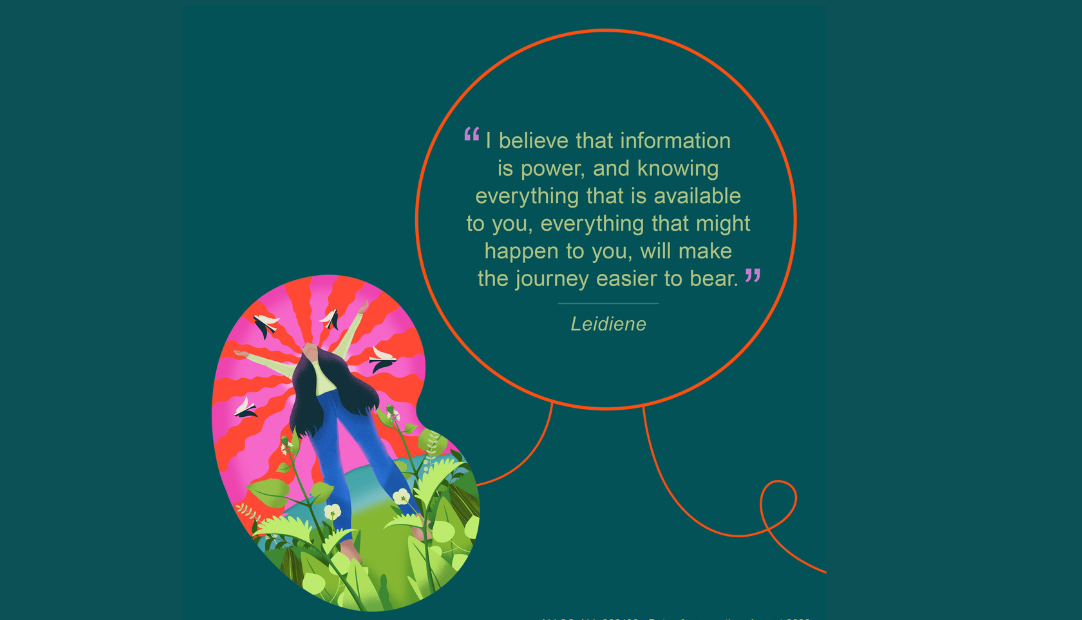
Empowering people with RCC to take more active roles in their treatment and care decisions
Despite evidence suggesting that involving people living with renal cell carcinoma (RCC) in treatment decisions can increase their overall survival and quality of life, there can be challenges to routinely embedding the Shared Decision Making (SDM) approach into practice.

25 August 2023 – 2 mins read
Why we must work together to improve life after stroke
At Ipsen, we are committed to helping people who are navigating the challenges of living with debilitating neurological conditions. This is why today, as we mark the start of the European Congress for Neurorehabilitation (ECNR) in Lyon, I want to…
27 July 2023 – 1 mins read
A strong first half of 2023
2023 is off to a strong start. Hear how CEO David Loew would describe the last six months at Ipsen.

20 July 2023 – 1 mins read
Winner of Ipsen’s golden ticket announced as newest resident of Biolabs Hôtel Dieu
We are pleased to announce that Hemerion has been awarded Ipsen’s golden ticket 2023, receiving a year’s free lab space at the brand new, cutting-edge facility in the heart of Paris, France, close to Notre-Dame, at Paris Hôpital Hotel Dieu, AP-HP.
07 July 2023 – 1 mins read
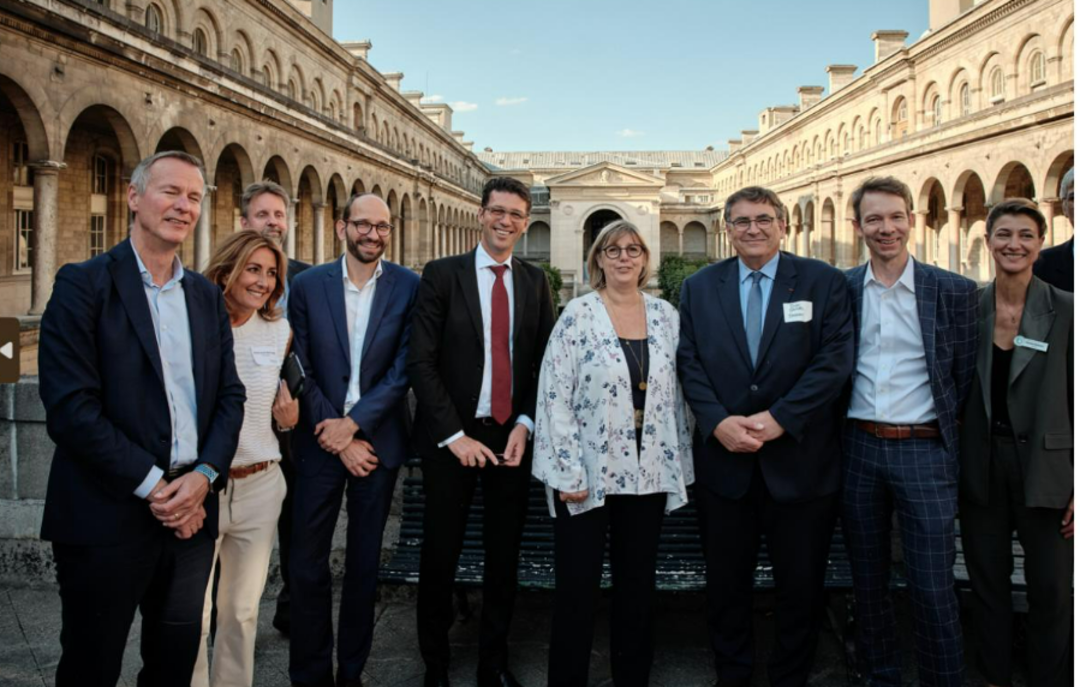
David Loew, Philippe Lopes Fernandes inaugurate Biolabs – Hôtel Dieu
Biolabs, a new biotech incubator located in the historic Hôtel Dieu, was inaugurated on 6 July 2023. As a founding sponsor of the initiative, Ipsen was represented at the event by CEO David Loew and Chief Business Officer Philippe Lopes…

07 July 2023 – 2 mins read
Primary Biliary Cholangitis (PBC): Looking Beyond the Liver
“Symptom burden is the main issue for the patient.”– Professor Andreas Kremer, Hepatologist of the University of Zurich Hospital

28 June 2023 – 2 mins read
Advancing Primary Biliary Cholangitis (PBC) Management: Insights from Experts
“We are on the cusp of an absolute explosion in our approach to managing PBC.” – Professor Gideon Hirschfield, Hepatologist and Professor of Medicine at the University of Toronto.

26 June 2023 – 3 mins read
Offering reassurance: John shares his story about living with prostate cancer to reassure those who might be in a similar position
Experiencing any cancer diagnosis can be really overwhelming. However, prostate cancer can have its own nuances for those men who are living with it. John, from the UK, was diagnosed with prostate cancer in his mid-50s and he wants to…

02 June 2023 – 1 mins read
Ipsen’s partnership with Marengo
Find out more about how we approach partnerships at Ipsen, where every program is a priority within our pipeline. We sat down with Zhen Su, CEO Marengo, to discuss our partnership and how we undertake a one team approach to…

01 June 2023 – 1 mins read
Ipsen’s 2022 Integrated Annual Report now available
2022 was a year of focus, momentum and growth at Ipsen. Learn about the progress we made and download the 2022 Integrated Annual Report here.

31 May 2023 – 1 mins read
Diana: Taking spasticity in stride
Diana was a full-time journalist when, at the age of 34, she experienced a stroke that impacted her movement and left her with spasticity.

31 May 2023 – 1 mins read
Steve: taking action against kidney cancer
Steve has been diagnosed with kidney cancer twice. After initial success with a nephrectomy, his cancer returned in January 2018. This time, his doctor said there was no treatment available. “He advised I would probably be put on life-extending drugs,”…

31 May 2023 – 1 mins read
Collette: finding community through PBC
Collette spent almost 20 years going back and forth between different doctors and treatments, before she was finally diagnosed with PBC.

31 May 2023 – 1 mins read
Caitlin: learning to accept care as a caregiver
In September 2012, when she was 21, Caitlin received news every child dreads: her father had been diagnosed with pancreatic cancer and had been given three months to live.
23 May 2023 – 1 mins read
Fireside Chat: Innovation and Policy Change in Rare Diseases in Europe
The rare disease community continues to strive for innovative solutions to meet patient needs and ensure no person living with a rare disease is left behind.

12 May 2023 – 4 mins read
Understanding the true impact of living with FOP
This year marks the 17th anniversary since the discovery of the ACVR1 gene was announced, a major scientific milestone in fibrodysplasia ossificans progressiva (FOP) research that helped us understand what causes the condition. On April 23, we marked FOP Awareness Day to honor…

02 March 2023 – 1 mins read
Rethinking risk factors this Liver Cancer Awareness Month
Learn how to engage with our campaign and help protect your liver health. Every year, Liver Cancer Awareness Month (LCAM) is an opportunity to bring the sixth most prevalent cancer globally to the forefront of conversation, promoting awareness and the…

09 February 2023 – 1 mins read
Ipsen FY/Q4 2022 results–A word from CEO David Loew
Hear what Ipsen CEO David Loew has to say about our strong full year and Q4 2022 results.

05 January 2023 – 2 mins read
J.P. Morgan Conference 2023: Ipsen shares strategy success
Ipsen leaders will attend the J.P. Morgan Healthcare Conference from January 9-12, 2023, in San Francisco, California. This event will bring together biotech companies, clinical researchers, investors and analysts from all over the world to learn about healthcare’s latest innovations.

20 December 2022 – 1 mins read
Living with PBC: The Person Behind the Chart
‘Invisible’ diseases like primary biliary cholangitis (PBC) can be difficult to recognise, diagnose and to manage effectively. Here Prof. Gideon Hirschfield (University of Toronto, Departments of Medicine, Immunology and Medical Sciences) and Robert Mitchell-Thain, (PBC Foundation UK) discuss the disease,…
03 November 2022 – 4 mins read
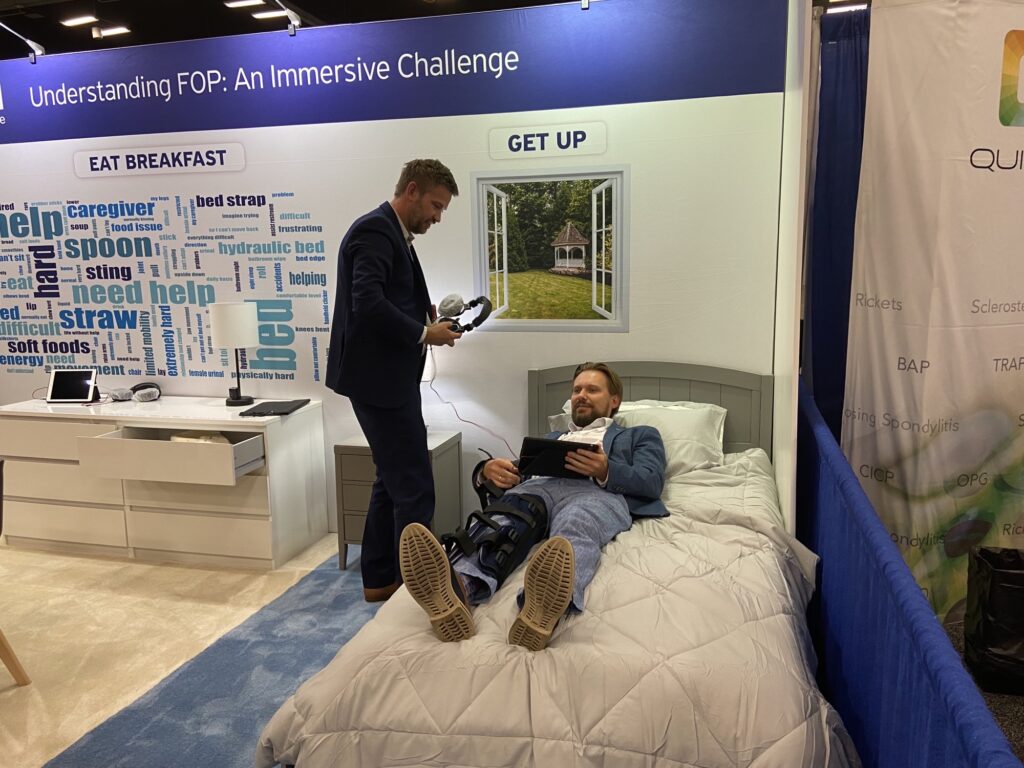
A Life in a Day with FOP: from Empathy to Understanding
You can never truly understand what it’s like to live with an ultra-rare condition unless you’ve experienced it for yourself. And with this in mind, we recently embarked on a project to help healthcare professionals experience what it’s like to…

02 November 2022 – 1 mins read
Ipsen anti-corruption system certification renewed in 2022
In December 2021, Ipsen received ISO 37001 certification for its anti-corruption management systems by Eurocompliance, a certification organization dedicated to the prevention of corruption.
27 October 2022 – 1 mins read
A word from CEO David Loew
“Our growth platforms have delivered strong sales performance, reflecting improving commercial execution and the strength for our portfolio.” CEO David Loew
14 October 2022 – 2 mins read
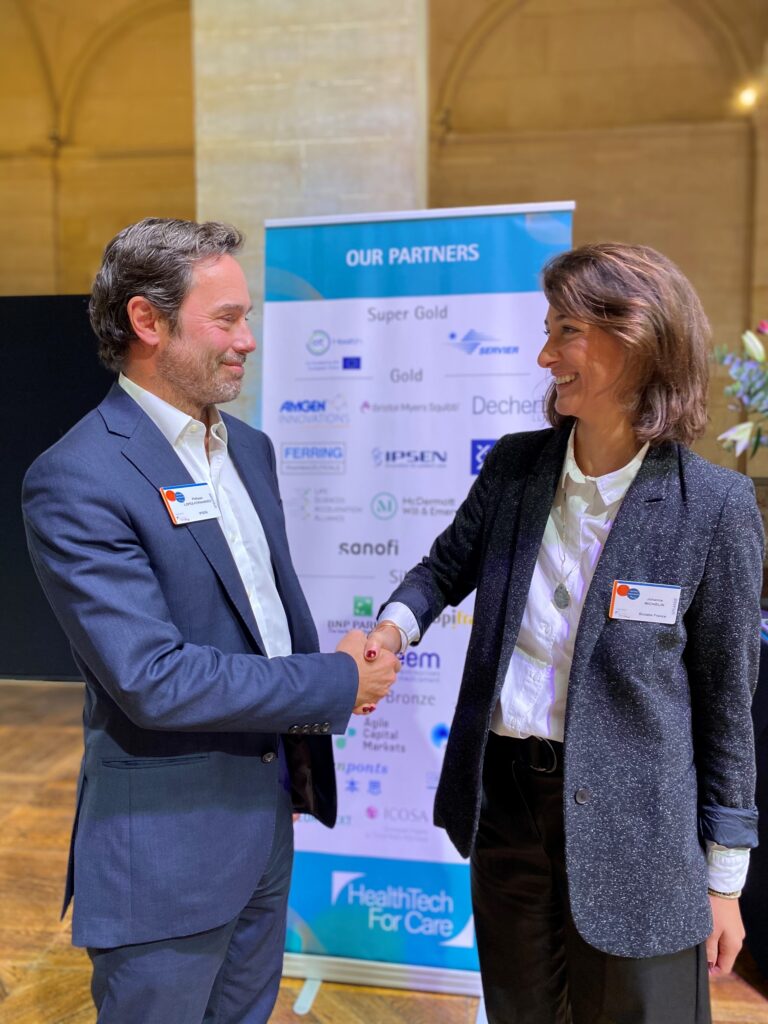
Ipsen becomes a founding sponsor of the second Biolabs innovation hub in Europe at Hopital Hotel Dieu, AP-HP
Ipsen announces that it becomes a founding sponsor of the second Biolabs innovation brain hub in Europe at Hopital Hotel Dieu, AP-HP, in Paris, France. The announcement builds on a 2018 commitment to a partnership with Biolabs for the development…
11 October 2022 – 3 mins read
The Ixcellence Network®: celebrating 10 years of progress in improving the standard of care for patients living with debilitating neurological disorders
Continuing medical education is vital to maintaining the quality of clinical practice, which in turn can improve patient outcomes. As a pioneer in botulinum neurotoxin type A (BoNT-A) treatment, Ipsen has worked with a scientific steering committee of international experts…

05 September 2022 – 5 mins read
‘A Life in a Day’: the realities of living with FOP
I was honored to be invited to take on the challenge to live ‘A Life in a Day of a patient with FOP’ – but also apprehensive. The challenge simulated a day spent living as someone who has fibrodysplasia ossificans…

01 September 2022 – 2 mins read
Ipsen receives SBTi approval for climate targets
In October 2021, Ipsen pledged ambitious action on climate change. Today, we announce that Ipsen’s Climate Targets were approved by The Science Based Target initiative (SBTi). This approval confirms that our greenhouse gas (GHG) emission reduction target is in line…
12 August 2022 – 1 mins read
Epizyme welcome to Ipsen
Hear what CEO David Loew has to say about the official close of its acquisition of Epizyme.

05 August 2022 – 3 mins read
ILC 2022: Let’s talk PBC
The International Liver Congress (ILC)1 provides a key opportunity for us to meet and discuss the management and research of liver diseases. Given the online format of recent meetings, it was great to have the chance to interact, discuss and…
28 July 2022 – 1 mins read
A message from CEO David Loew
Hear what CEO David Loew has to say about our H1 2022 results.

29 June 2022 – 6 mins read
Ipsen announces U.S. FDA Priority Review for palovarotene New Drug Application in patients with fibrodysplasia ossificans progressiva following resubmission
PARIS, France, 29 June 2022 – Ipsen (Euronext: IPN; ADR: IPSEY) today announced that the U.S. Food and Drug Administration (FDA) has accepted for Priority Review its resubmitted New Drug Application (NDA) for investigational palovarotene for the treatment of patients with…

12 May 2022 – 3 mins read
How to transform the medical organization in specialty care to drive best-in-class patient value
By Steven Hildemann, MD, PhD, EVP, Chiel Medical Officer

04 March 2022 – 2 mins read
Ukraine situation: What Ipsen is doing
Latest Update: March 29, 2022

25 January 2022 – 2 mins read
Our pledge: summaries in plain language for all journal publications
Today, we are broadening our commitment to providing everyone with the opportunity to read and understand our research. From July 2022, we will publish, as a minimum, a 250-word plain language summary alongside all company-sponsored journal publications from human studiesa.
20 January 2022 – 1 mins read
Ipsen has been certified by Eurocompliance to the ISO 37001 standards for anti-corruption management systems.
On the 15th of December 2021, Ipsen has been certified by Eurocompliance to the ISO 37001 standards for anti-corruption management systems.

20 December 2021 – 1 mins read
Statement on lanreotide in the U.S.
PARIS, FRANCE, 20 December 2021 – 6:00 PM CET – Ipsen has learned that Cipla Limited and its subsidiary Cipla USA, Inc. has received final approval of a lanreotide product from the U.S. Food and Drug Administration; the FDA approval…
22 November 2021 – 2 mins read
Ipsen continues to strengthen early oncology pipeline with Queen’s University Belfast collaboration and licensing agreement.
Today we are pleased to announce a partnership with the Queen’s University of Belfast (QUB), securing rights to a preclinical stage first-in-class FLIP inhibitor program, a cutting-edge drug discovery program which was supported by Wellcome. Commenting on this news Howard…

27 October 2021 – 2 mins read
Our pledge: industry-leading action for the climate
Today, we proudly stand together with more than 1000 companies worldwide who have pledged to tackle climate change and reduce greenhouse-gas (GHG) emissions as part of the Business Ambition for 1.5°C campaign, spearheaded by the United Nations and industry leaders.
12 October 2021 – 3 mins read
Reuters Events Pharma 2021 : transformer les Affaires médicales pour générer de la valeur pour les patients
Aujourd’hui, à l’occasion du congrès Reuters Events Pharma 2021, j’ai eu l’honneur d’échanger avec Izzy Gladstone sur les meilleures pratiques dans les affaires médicales et les bénéfices potentiels, pour les patients, d’une transformation axée sur le patient et le médecin.
12 October 2021 – 2 mins read
Reuters Events Pharma 2021: Transforming Medical Affairs to drive patient value
By Steven Hildemann, MD, PhD, EVP, Chiel Medical Officer
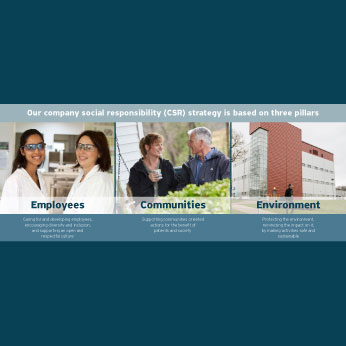
30 July 2021 – 1 mins read
Exceeding against our CSR-based targets
For the first time in 2019, we made a big decision: to include Environmental, Social and Governance criteria when renegotiating the conditions of our external financing facility. By doing so, we committed to meeting specific targets.

17 June 2021 – 4 mins read
Ipsen launches Perspectives Matter around World Kidney Cancer Day 2021
We need to talk about how we’re feeling is the theme of World Kidney Cancer Day (WKCD) on 17 June 2021. To support this theme, Ipsen is launching Perspectives Matter; a social media campaign that brings to life the experiences and perspectives…
01 June 2021 – 0 mins read

18 May 2021 – 2 mins read
Ipsen's Signes production site has received the Shingo (Gold) Award
Ipsen’s Signes production site has received the Shingo (Gold) Award, the highest and most demanding distinction in operational excellence in the world.
27 April 2021 – 5 mins read
Working in rare disease has taught me to better support FOP
We are delighted that this FOP Awareness Day Dr Rolf Morhart shared his invaluable insights gained through his career working in clinical practice supporting people living with the ultra-rare bone disease. Read his thoughts and reflections below.
08 March 2021 – 1 mins read
Statement on lanreotide European decentralised procedure
PARIS, FRANCE, 8 March 2021 – Ipsen has learned that Amdipharm Ltd, which is believed to be a subsidiary of Advanz Pharma, has received a positive outcome by the Reference Member State, Denmark, and closure of the Decentralised Procedure, for…

01 March 2021 – 1 mins read
Ipsen announces the arrival of Gwenan White, EVP Communications & Public Affairs
We are pleased to announce the arrival of Gwenan White as Executive Vice President, Communications and Public Affairs, effective 1 March 2021. Based in Boulogne, France, she will be responsible for designing, implementing and managing the communications and public affairs…

09 December 2020 – 1 mins read
Ipsen and the fight against corruption
Today is International Anti-Corruption Day. We are all aware that corruption has the potential to impact the social and economic development of all companies, societies and countries. That is why we must be unified in our efforts to conduct business…
01 December 2020 – 2 mins read
Ipsen’s new strategic priorities unveiled at virtual Capital Markets Day event
Today, Ipsen is hosting a virtual Capital Markets Day to launch our new Group strategy which positions us for long-term success by focusing together for patients and society. Four priorities will drive continued growth and bring transformative medicines to patients….

26 November 2020 – 1 mins read
Ipsen – Capital Markets Day Webcast – Tuesday, December 1, 2020
David Loew, Chief Executive Officer, is pleased to host a Capital Markets Day webcast to present the Group’s Strategy on:
28 October 2020 – 2 mins read
Liver Cancer Awareness Month – Rethink liver cancer
October is Liver Cancer Awareness Month and this year we are proud to be supporting the European Liver Patients Association (ELPA) with their campaign encouraging everyone to rethink liver cancer by bringing it to the forefront of conversations.

14 October 2020 – 2 mins read
Breast Cancer Awareness Month: raising awareness with inspirational patient stories
The facts and figures around breast cancer bring into focus the importance of raising awareness of the true scale of this globally prevalent disease. Breast cancer is the most common cancer in women1. It comprises of 24% of all cancers…

09 October 2020 – 2 mins read
Using real-world data for better solutions for patients
Innovation to improve patient outcomes doesn’t always resemble the scenes in the movies where the brilliant scientist makes a breakthrough alone in the lab. Sometimes it takes the form of Artificial Intelligence analyzing enormous quantities of data. Sometimes it looks…
02 September 2020 – 2 mins read
Executive Leadership Team Announcement
We are pleased to announce the appointment of Bartek Bednarz, Executive Vice President Global Product & Portfolio Strategy and Patrice Zagame, Executive Vice President, Specialty Care International to the Executive Leadership Team (ELT), effective immediately.
01 July 2020 – 1 mins read
David Loew joins Ipsen as CEO
We are delighted to welcome David Loew as the new CEO of Ipsen. A seasoned professional, David’s career has spanned nearly thirty years in the pharmaceutical industry in such companies as Roche and Sanofi. His leadership skills and experience in…
