A model for modern biopharma collaboration — the enduring partnership between Ipsen and IRICoR
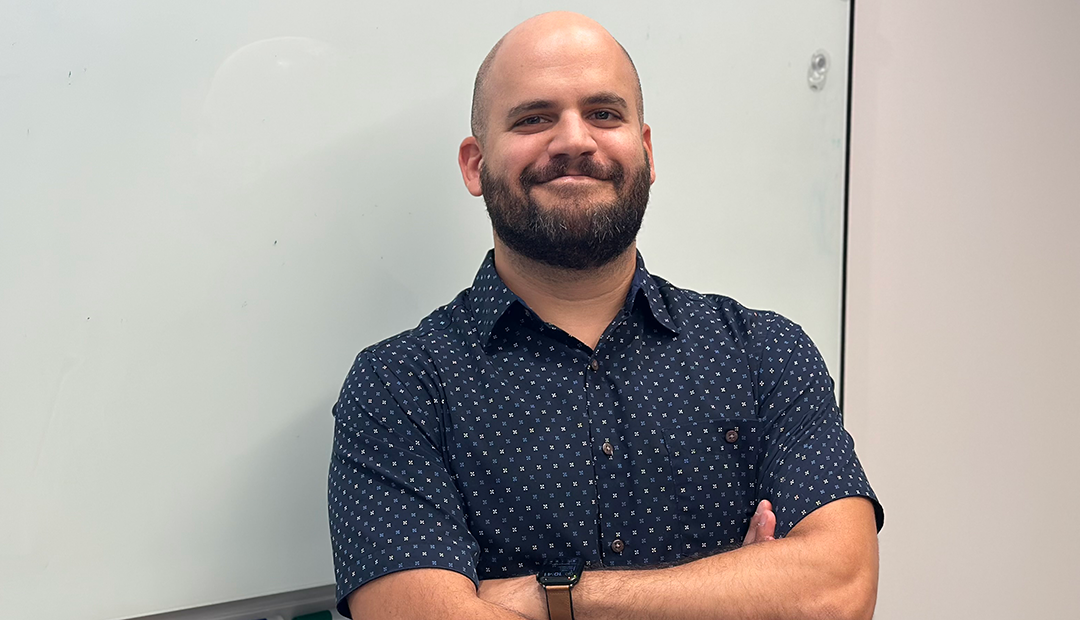
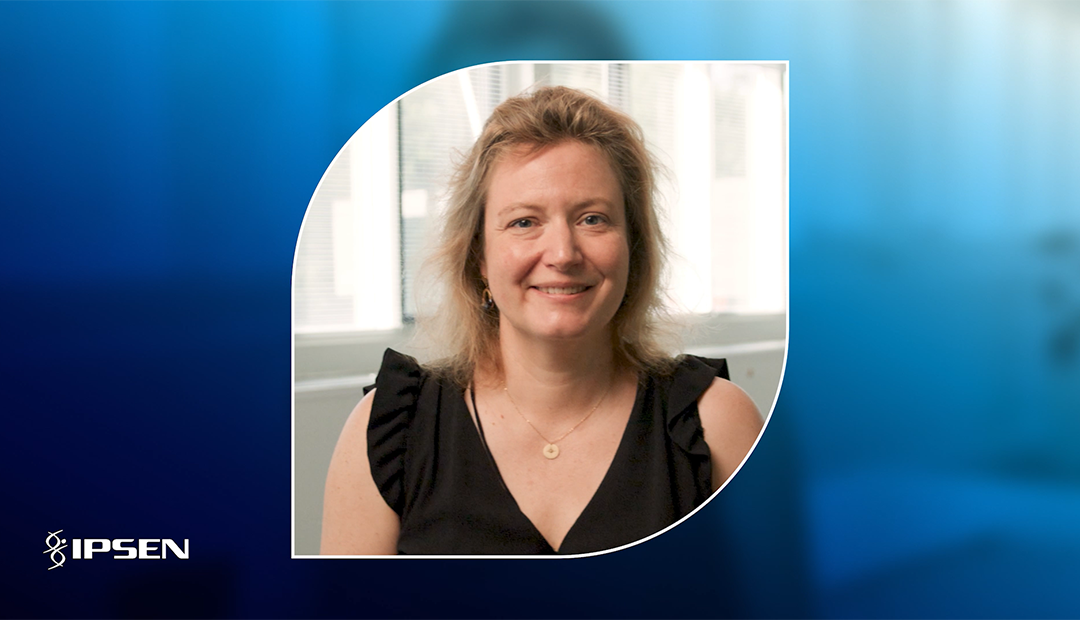
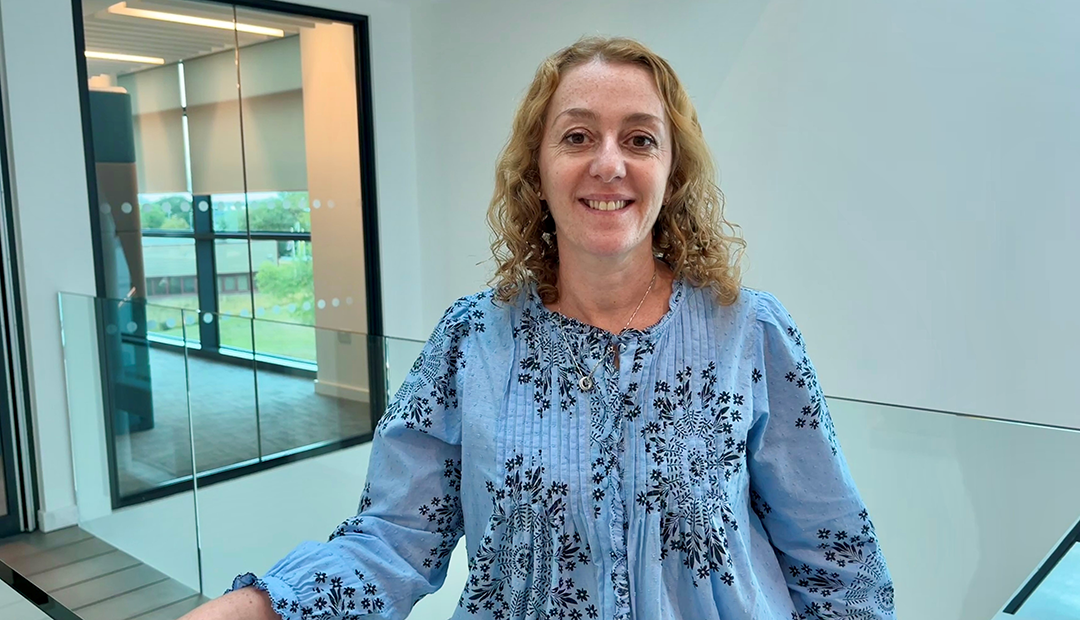
In an era where breakthrough science increasingly depends on deep, cross sector collaboration, the longstanding partnership between Ipsen and the teams at the Institute for Research in Immunology and Cancer (IRIC) and its commercialization unit, IRICoR, at Université de Montréal stands out as a model for how academia and industry can accelerate science with purpose. First initiated in 2020 and extended twice, the partnership is now collaborating on four active oncology research programs. Pierre Beaulieu, Associate Director, Drug Discovery Unit at IRIC, Hugo Lavoie Associate Director of the Intracellular Signalling Research Unit at IRIC and Chris Hupp, Senior Director, Research & External Innovation at Ipsen explain how this collaboration has evolved from a promising research alliance into a formidable engine to deliver transformative therapies for patients.
Science accelerated through complementary expertise
What makes the IRIC–Université de Montréal environment uniquely compelling Pierre explains is its “cutting-edge research expertise with the ability to address every stage of drug discovery”, a quality Chris adds Ipsen recognized with a “continued ability to deliver high-quality development candidates, with the potential to consistently generate meaningful innovation”. As early science progresses, there comes a time where broadening this expertise is critical to translating a scientific concept to a medicine. This is where partnering has enriched and accelerated this process, adding Ipsen’s expertise in translational research, clinical development, manufacturing and commercialization, “creating a powerful bridge from discovery to impact” Hugo explains. With four active R&D programs, including one progressed to Phase I trials, the collaboration is applying this full spectrum of expertise to unlock the potential of MAPK‑targeted innovation for patients.
Targeting the Hardest Problems in Oncology
The partnership’s focus is anchored in a bold shared vision Chris explains, “where everyone involved is deeply committed to delivering transformative therapies for patients with high unmet needs”, working to unlock new approaches to targeting the MAPK pathway—altered in roughly 40% of human tumors.[i] As Hugo emphasises, this is a space where progress has been made, but where “much remains to be done.” Toxicities, relapse rates, and the limitations of existing molecules make it imperative to develop differentiated therapies with new modes of action and smarter combinations.[ii]
The Power of Long‑Term Partnership
For both Ipsen and IRIC, longevity has been essential. Innovative science rarely moves in a straight line. It requires persistence, shared conviction, and collective willingness to navigate ambiguity. As Pierre puts it, “a long-term partnership can only result from a strong belief in the science from both partners and a motivation to achieve first-in-class discoveries.”
This continuity has also allowed the teams to partner in ways that elevate the science itself. Hugo highlights the “invaluable multidisciplinary synergy where both sides challenge and inspire each other”. What began as a traditional collaboration has matured into something richer — a shared language, shared decision-making, and shared pride in what they are building defined by an “impressive level of trust, confidence, support and friendship.”
Chris echoed this sentiment, highlighting the unique environment built “where open dialogue and mutual respect allow science and innovation to thrive.” Hugo explains this has “allowed our teams to expand into new areas of pharmaceutical and translational research” far beyond what a traditional academic environment could offer.
Looking Ahead: A Shared Vision for Transformative Impact
The partnership between Ipsen and IRICoR is more than a collaboration—it is a blueprint for how breakthrough therapies can be accelerated into the clinic when academia and industry bring out the best in each other. It shows that when teams align on purpose, commit long-term, and create a culture where science and people can thrive, innovation becomes not just possible, but inevitable.
[i] Sanchez-Vega et al. Oncogenic Signaling Pathways in The Cancer Genome Atlas. Cell. 2018 Apr 5;173(2):321–337.e10. doi: 10.1016/j.cell.2018.03.035
[ii] Hanrahan et al. BRAF, a tumor-agnostic drug target with lineage-specific dependencies. Nat Rev Clin Oncol. 2024 Jan 26;21(3):224–247. doi: 10.1038/s41571-023-00852-0
How useful was this post?
Click on a star to rate it!