
Closing Care Gaps in Post‑Stroke Spasticity
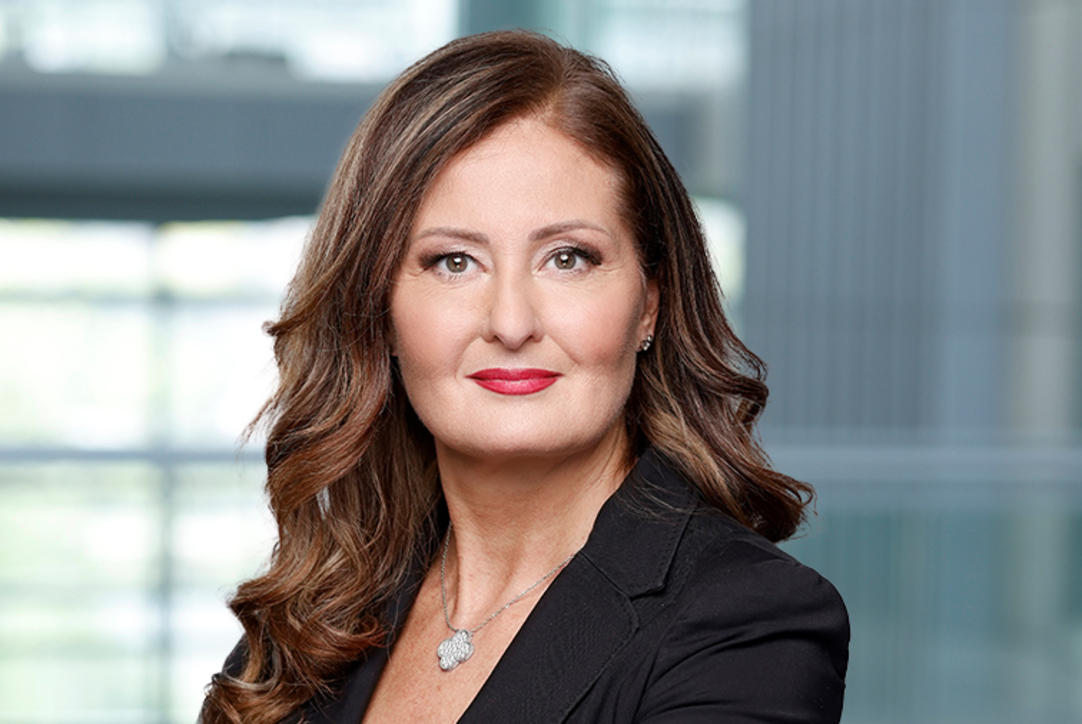
By Sandra Silvestri, EVP & Chief Medical Officer, Ipsen
At Ipsen, our heritage in neuroscience has always been about more than advancing science – it is about transforming lives. Despite advances in care and numerous initiatives to prevent stroke, cases continue to rise over recent decades.[i] A key challenge we continue to face today is post‑stroke spasticity (PSS), a condition that affects around one in four stroke survivors. Yet despite its prevalence, too many people are left without timely access to care. Only a fraction receive support, and even fewer continue with regular follow‑up.
These gaps in care are not inevitable. They are the result of fragmented pathways, inconsistent monitoring, and uneven access to specialist services. Survivors often move between multiple teams — neurology, rehabilitation, community therapy, pain services, and specialist clinics — without a clear point of accountability. This complexity means spasticity can go unnoticed or untreated, leaving patients and caregivers struggling to navigate the system.
At Ipsen, we believe these challenges can be addressed. By embedding structured follow‑up, encouraging multidisciplinary collaboration, and simplifying referral routes, we can help patients move through the pathway more smoothly and access care sooner. Just as importantly, we must see the whole person. Recovery after stroke is shaped not only by physical symptoms but also by mood, motivation, comorbidities, and the daily realities faced by caregivers. Compassionate, practical support — from mood checks and clear information to coordinated appointments that reduce travel and cost — is essential to sustaining engagement.
Our proactive approach is grounded in evidence and collaboration. Through real‑world studies, patient journey mapping, and partnerships across the global neurotoxin community, we are uncovering where care breaks down and designing solutions to close those gaps. This work is already delivering measurable gains: earlier treatment starts, better goal attainment, and renewed confidence for patients and carers.
Above all, we listen. The voices of survivors, families, and clinicians guide our mission. Their lived experiences remind us that recovery is not only about survival, but about life fully lived. As one survivor shared: “I have discovered that I could be strong and overcome difficulties — and give strength to others.”
Ipsen’s commitment to neuroscience is rooted in this belief: that every stroke survivor deserves the chance not only to live, but to thrive. By investing in education, evidence, and collaboration, we are working to ensure that care gaps are closed and that life after stroke is defined by possibility, not limitation.
[i] https://journals.sagepub.com/doi/10.1177/17474930241308142
How useful was this post?
Click on a star to rate it!


Characterizing the patient experience: The role of patient‑reported outcomes

A bridge to the field: how real-world data informs rare disease care
Rethinking discovery: how powerful screening tools are redefining the search for new medicines